
Last updated October 15, 2026
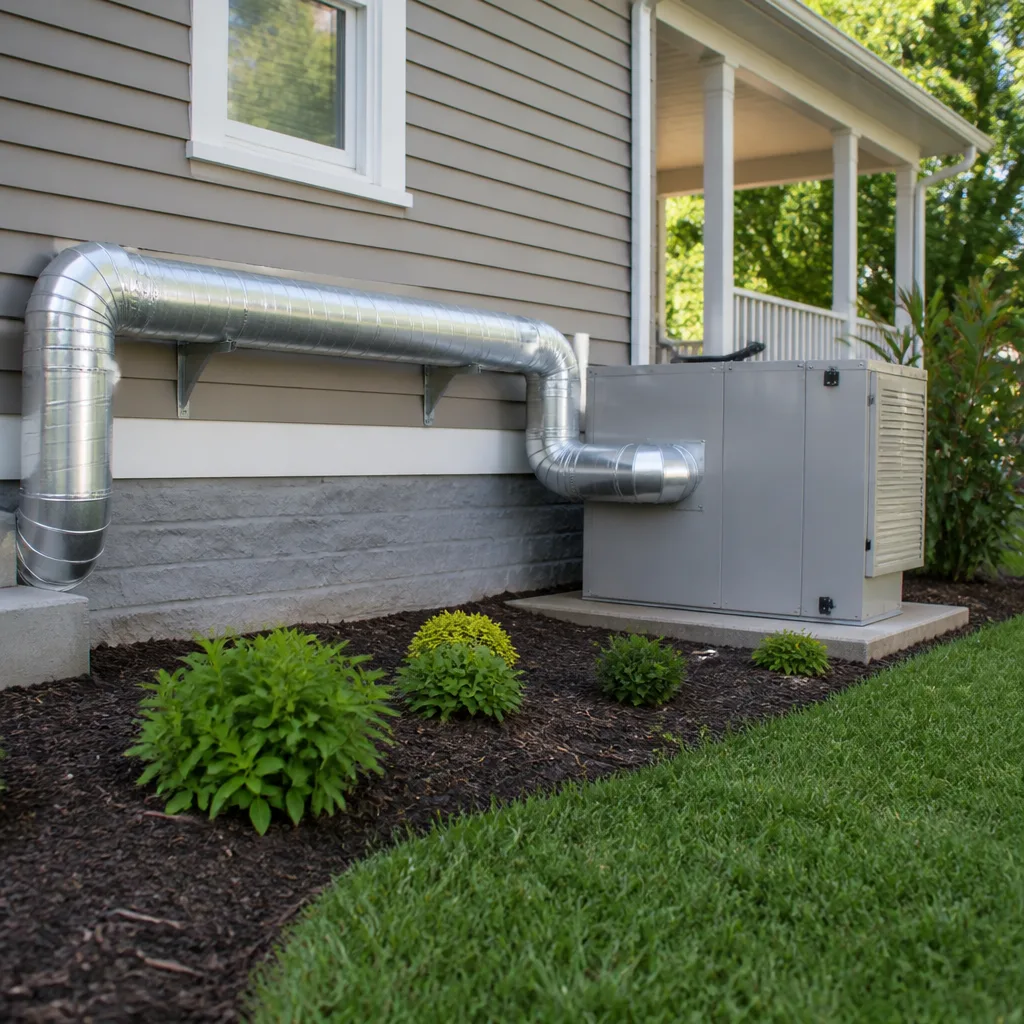 Whole-home duct cleaning
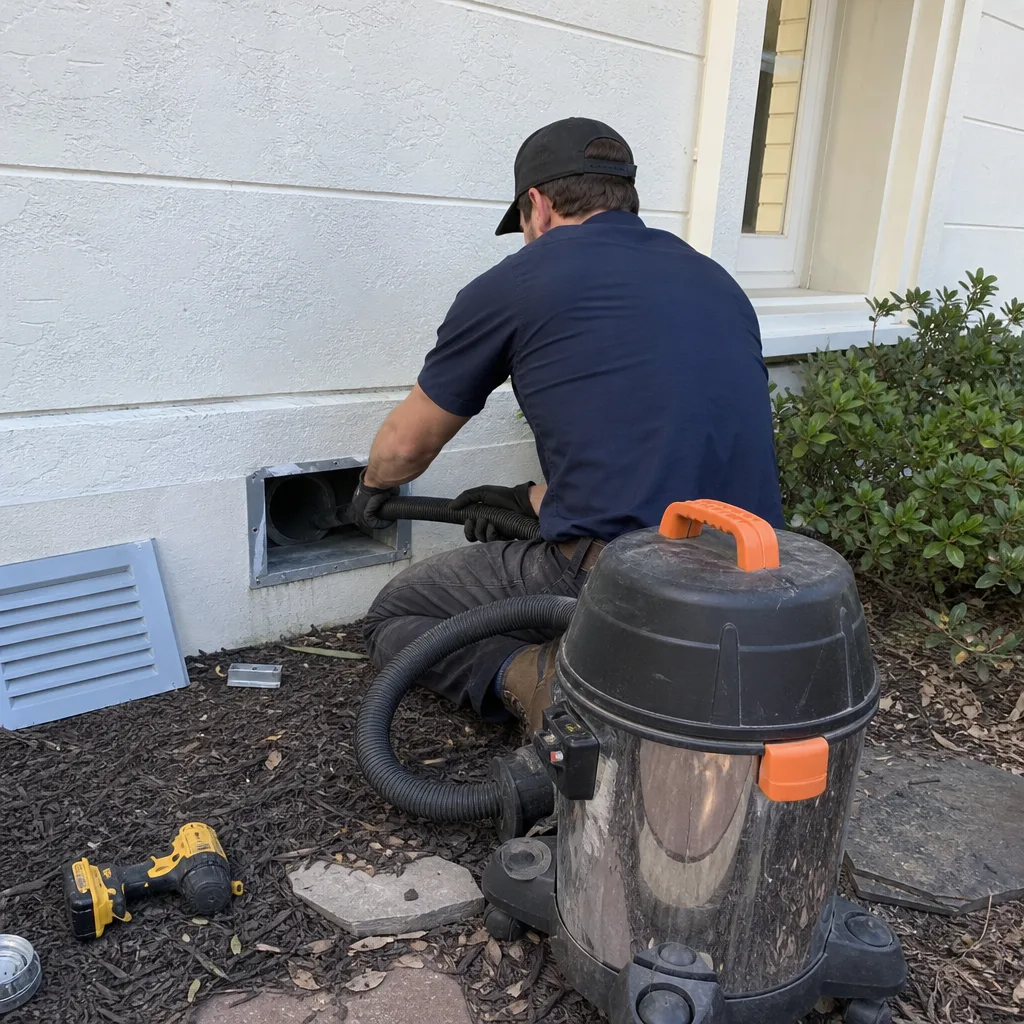
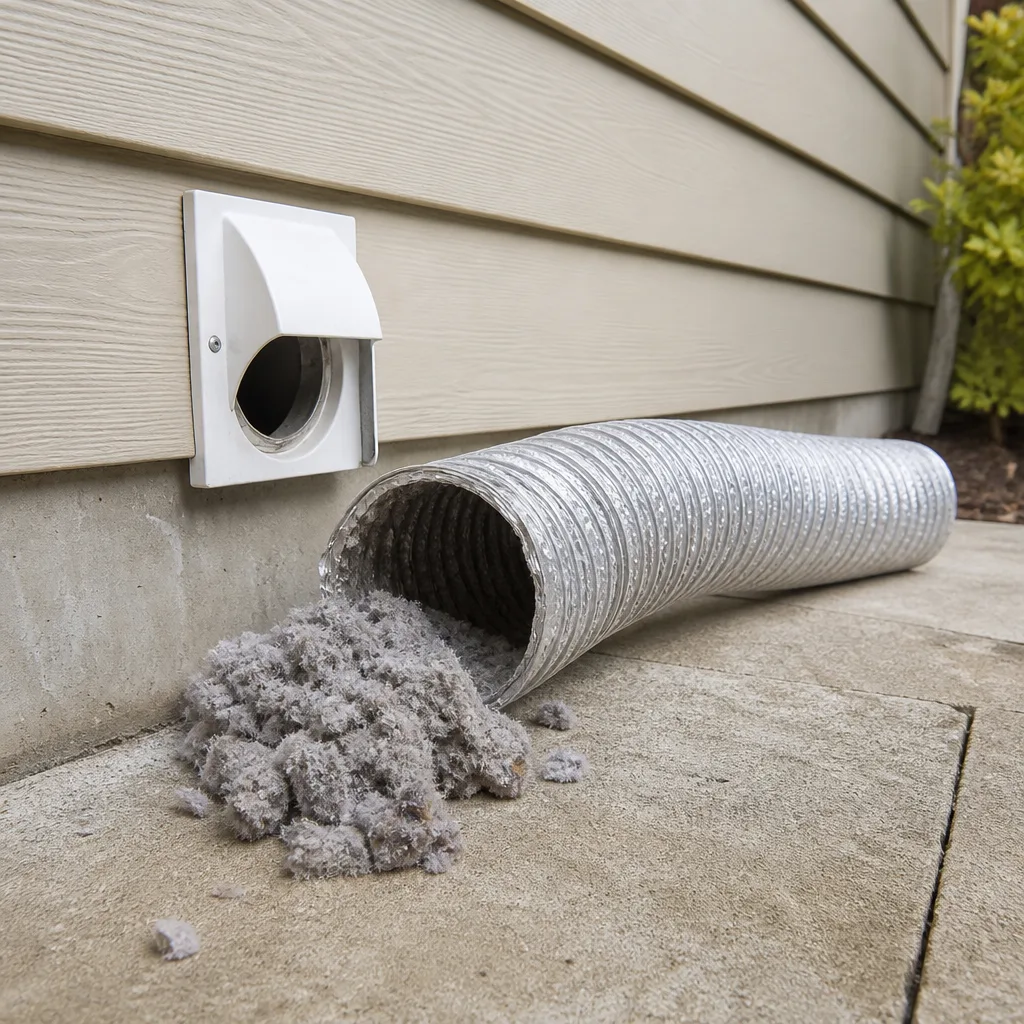 Dryer vent cleaning
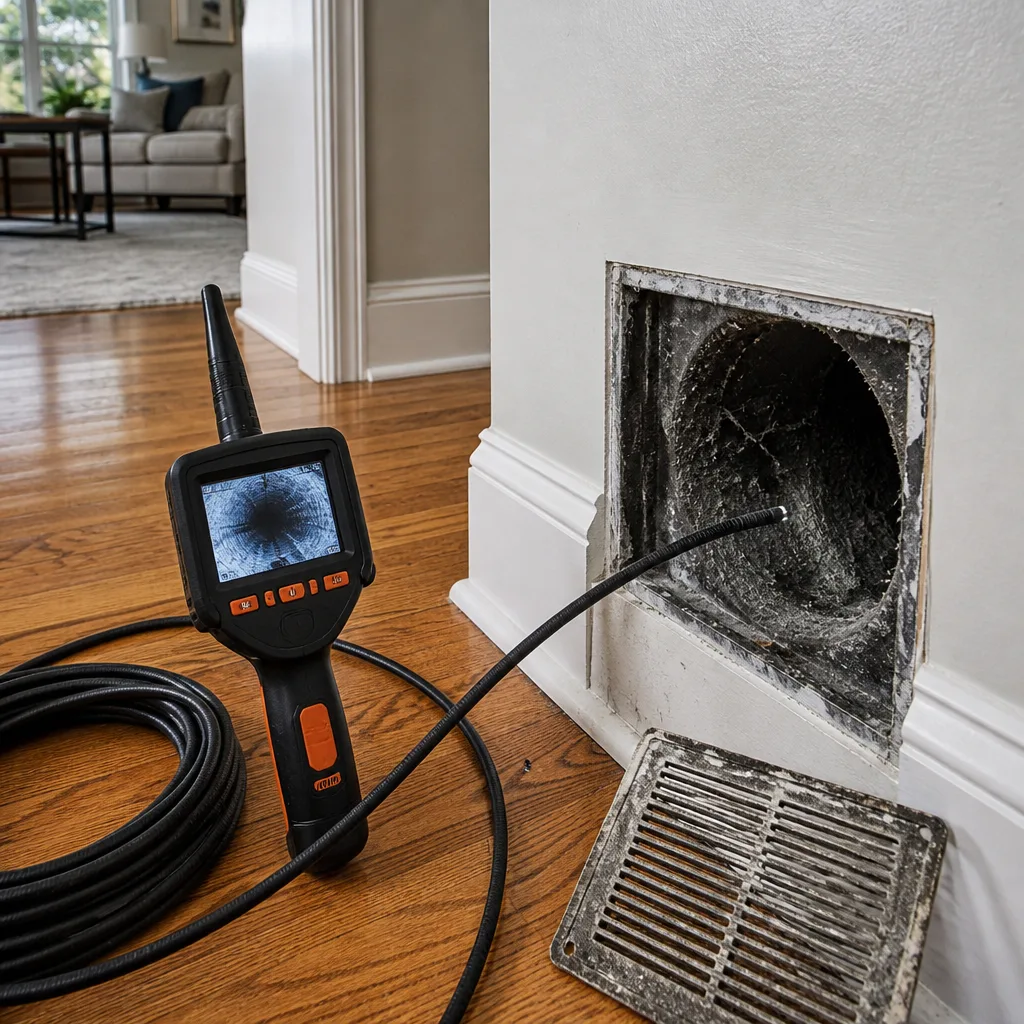 Camera inspection
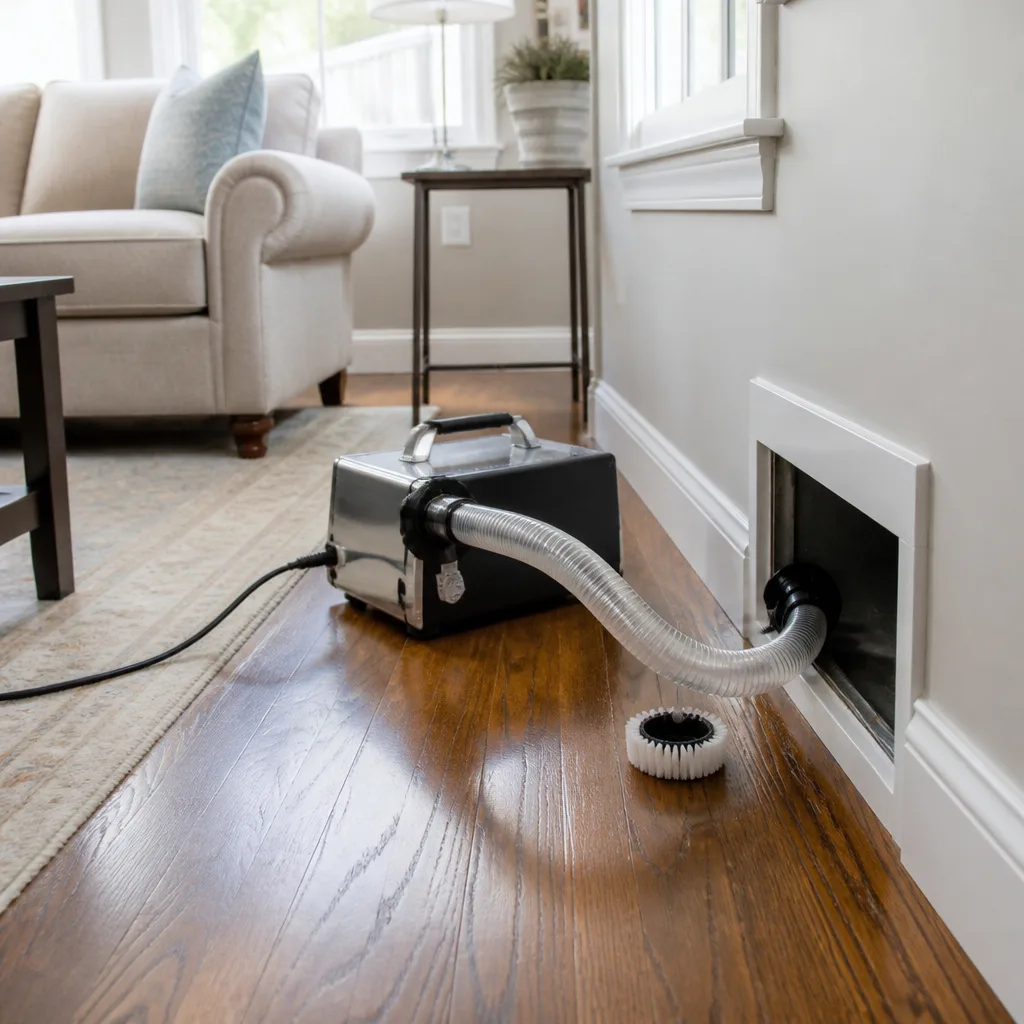 Sanitizing & deodorizing
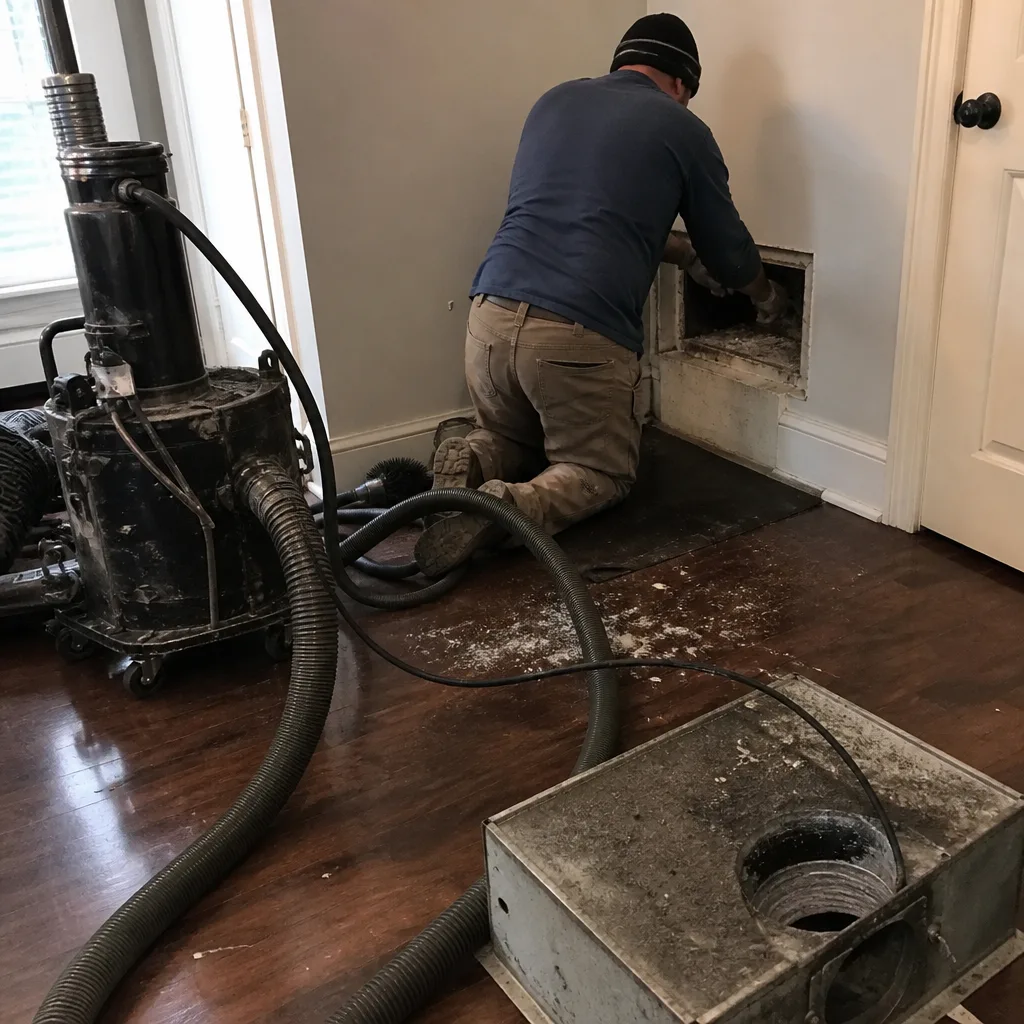
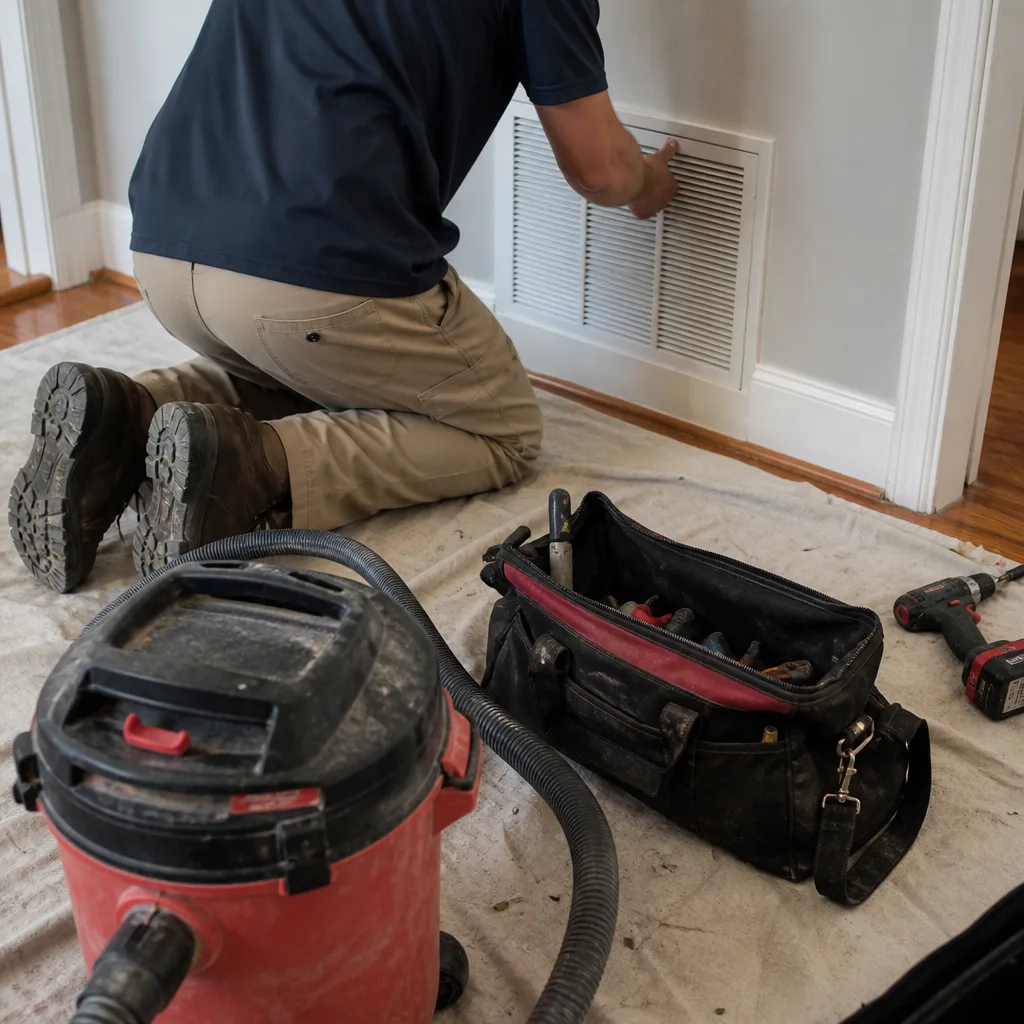
Whole-system duct and dryer vent check with before-and-after photos - you see exactly what came out of your vents
That "$99 whole-house special" is a bait ad - the real number appears once they are in your hallway, or the "clean" is a shop-vac at the register. We photograph the inside of your ducts before and after instead.
Air Duct Cleaning Permits, Codes & Inspections in GA: What You Need to Know
Here’s a counterintuitive fact most Marietta homeowners learn the hard way: the $300 duct cleaning you booked can quietly turn into a $4,000 unpermitted HVAC modification, and you won’t know until a home inspector flags it three years later at resale. Georgia draws a hard line between maintenance and mechanical modification, and duct work sits right on that line. This guide-along with our Complete Guide to Air Duct Cleaning in Marietta-explains where the line is, what Cobb County actually enforces, what questions to ask before any duct repair begins, and how to avoid inheriting someone else’s shortcut.
Styles & brands we work with
Quick Answer
Routine air duct cleaning does not require a permit anywhere in Georgia, including Marietta and Cobb County, because it’s classified as maintenance rather than construction. However, the moment a technician recommends sealing flex duct connections, replacing a duct section, or modifying your plenum, that work falls under Georgia’s State Minimum Standard Codes and typically requires a mechanical permit from Cobb County. The practical question is not whether duct cleaning is legal without a permit, it’s whether the repair work that often follows it gets permitted, inspected, and documented.
Table of Contents
- Maintenance vs. Modification: Where Georgia Draws the Line
- When Cobb County Requires a Mechanical Permit for Duct Work
- What to Ask a Contractor Before Any Duct Repair Begins
- How Unpermitted Duct Modifications Show Up at Resale
- Who Pulls the Permit: The Contractor or the Homeowner?
- What a Cobb County Duct Inspection Actually Covers
- Why Marietta’s Climate Makes Duct Condition a Bigger Deal Than Most Owners Realize
- Common Mistakes to Avoid
- When to Call a Professional
- Frequently Asked Questions
- The Bottom Line
Maintenance vs. Modification: Where Georgia Draws the Line
Georgia adopted the State Minimum Standard Codes as its baseline for all construction and mechanical work, and the distinction that matters for duct work is simple in principle but frequently ignored in practice. Maintenance means restoring something to its original condition or keeping it functioning as designed. Modification means changing the system: rerouting a duct run, changing duct diameter, adding a new supply or return, replacing a section with different materials, or resealing connections in a way that alters airflow design.
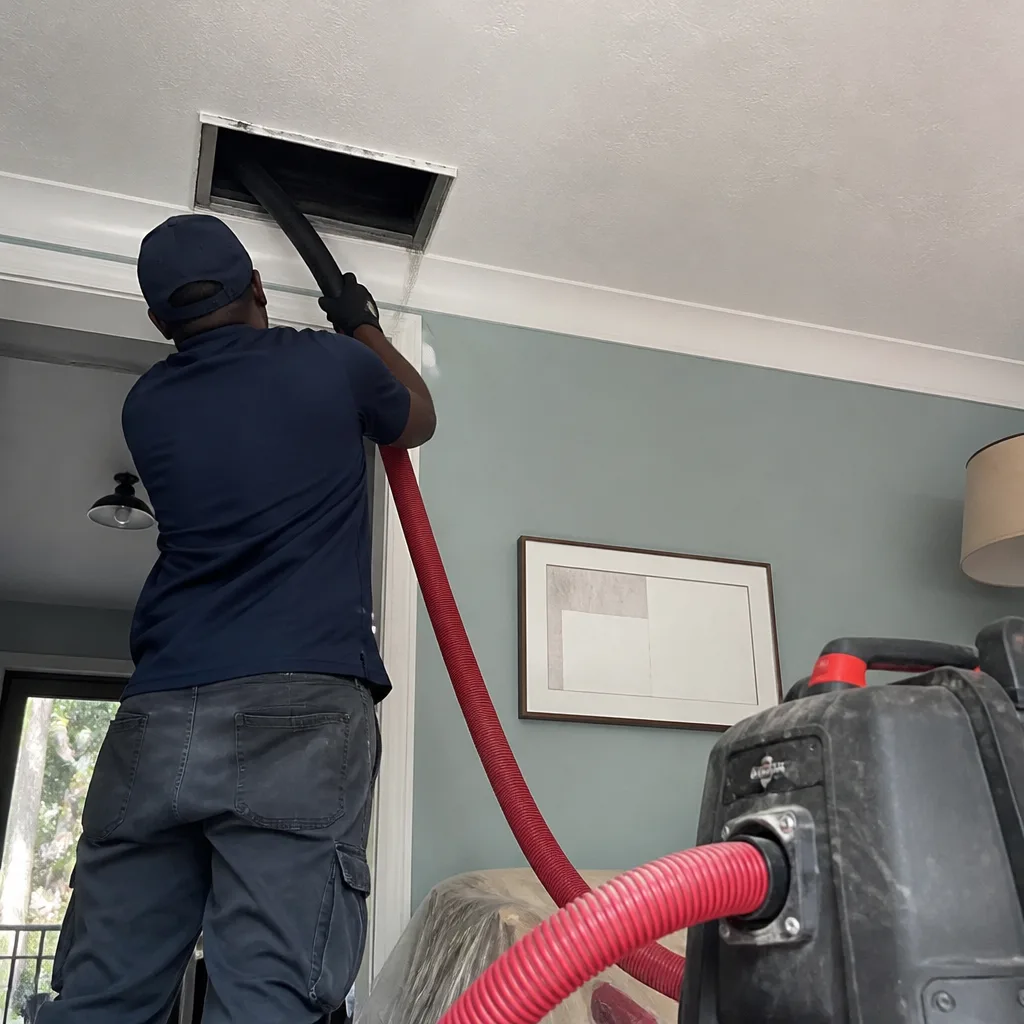
Air duct cleaning sits firmly on the maintenance side. In a proper cleaning, we run negative-pressure extraction through your existing duct system with the goal of removing accumulated debris, not changing the system itself. The ducts stay exactly where they are. No configuration changes. No new materials. We’re restoring the designed airflow, not redesigning it. That’s why no permit is required for the cleaning itself, anywhere in Georgia.
The gray area appears when a cleaning reveals a problem that needs fixing. Say the technician finds a disconnected flex duct in your crawlspace, or a crushed return line under the house, or a section of ductboard that’s been soaked by a condensate leak and has started to grow mold. At that moment, you’re not talking about cleaning anymore. You’re talking about repair or replacement, and in Cobb County, that conversation includes a permit question.
Here’s the breakdown in practical terms:
- No permit needed: Cleaning the interior of existing ducts, sanitizing with EPA-registered products, replacing a standard air filter, inspecting the system, tightening a loose grille screw.
- Permit usually required in Cobb County: Replacing a section of flex duct, resealing duct connections at the plenum, adding or relocating a supply register, replacing a ductboard section, installing a new return, changing duct sizing.
The reason most homeowners get caught off guard is that many companies blur this line. They’ll suggest “just resealing a few connections” as part of the cleaning visit, and because it sounds like a small thing, nobody asks about permits. But once you modify how the duct system connects to the HVAC unit, you’ve stepped into mechanical code territory.
When Cobb County Requires a Mechanical Permit for Duct Work
Cobb County building codes adopt Georgia’s State Minimum Standard Codes and apply them at the county level, which means the permit requirement kicks in whenever duct work meets the state’s definition of mechanical modification. The trigger is not the dollar amount of the job. A $200 flex duct reconnection and a $2,500 duct replacement are both mechanical work under the code.
From our experience working in Marietta neighborhoods like East Cobb, Kennesaw Mountain, and West Cobb, the most common permit-requiring scenarios we encounter are:
- Flex duct replacement. If a section of flex duct in the attic has been crushed, torn, or pulled loose, replacing it changes the system configuration and requires a mechanical permit in Cobb County.
- Plenum modifications. Resealing or rebuilding the transition between your HVAC unit and the main duct trunk is mechanical work, full stop. This is also one of the most important places to have the work inspected, because a failed plenum connection can leak conditioned air into your attic indefinitely.
- Adding or relocating a return. Any change to return airflow changes the pressure balance of the entire system and needs permitting to ensure the system still meets airflow requirements.
- Ductboard replacement. If water damage or pest activity has destroyed a section of ductboard, the replacement is a modification, not a repair in the maintenance sense.
The distinction that protects you as a homeowner is the same one the county uses: did the work change how the system is configured, or did it simply restore the system to its existing configuration? If it changed, the safe answer is to assume a permit is needed and ask the contractor to confirm in writing.
What to Ask a Contractor Before Any Duct Repair Begins
This is where you separate the companies that will protect you at resale from the ones that will create a problem you inherit later. Before you agree to any duct repair in Marietta, ask these questions. A legitimate contractor answers all of them without hesitating. A contractor who gets defensive or vague is telling you something useful.
- “Is this work classified as mechanical modification under Cobb County code?” If they can’t answer this, they haven’t done the homework. The answer determines whether a permit is needed.
- “Will you pull the permit, or will I need to?” In Georgia, the contractor performing the mechanical work is normally the party responsible for pulling the permit. If a company asks you to pull a homeowner permit for their work, that’s a red flag, and we cover why in detail below.
- “Who will schedule the inspection, and will I get a copy of the final inspection report?” The inspection is the proof the work was done to code. If nobody plans to schedule it, the permit is just paperwork with no verification behind it.
- “Will the permit be closed out at the end of the job?” An open permit is almost as bad as no permit at resale. Contractors sometimes pull the permit, do the work, and never call for the final inspection – leaving you with a permit file that shows as outstanding, which title companies flag.
- “If this is a repair, will you put it in writing with a guarantee?” If a contractor won’t guarantee a duct repair in writing, that’s a signal about how they expect the work to perform. We put a written guarantee on every air duct repair we do in Marietta, and we come back at no charge if a covered repair fails.
How Unpermitted Duct Modifications Show Up at Resale
The resale moment is where unpermitted duct work finally surfaces, and it’s never a pleasant conversation. Here’s how it typically unfolds in Marietta real estate transactions.
A home inspector doing a buyer’s inspection sees signs of recent duct replacement – new flex duct in the attic, fresh mastic at the plenum, a return that doesn’t match the original floor plan. The inspector notes the work in the inspection report: “appears to be modified duct system; recommend verifying permits.” The buyer’s agent then pulls the county permit record for the property, finds no mechanical permit for the work, and asks the seller to explain.
At this point, the seller has three options, none of them cheap:
- File for a retroactive permit. Cobb County may allow you to file after the fact, but the approval process is not a rubber stamp. You’ll need an inspection, and the inspector can require you to open up walls or remove insulation to verify connections meet code.
- Negotiate a credit to the buyer. The buyer’s position is that unpermitted work is an unknown risk, and they’ll price that risk into the offer. Expect the credit to be larger than the original repair cost.
- Walk away from the deal. In a market like Marietta, some sellers would rather wait for a less demanding buyer. But unpermitted mechanical work is impossible to hide once it’s in an inspection report.
The cost to correct is almost always several times what the original permit would have cost. A Cobb County mechanical permit for duct work is typically a few hundred dollars or less, depending on the scope of the job. The correction at resale, whether through retroactive permitting, inspection compliance, or seller credit, regularly runs into four figures.
Who Pulls the Permit: The Contractor or the Homeowner?
Georgia law and Cobb County practice are clear on this point: the contractor performing the mechanical work is the party responsible for pulling the permit, and the licensed contractor is expected to stand behind the work through inspection. When a company asks you, the homeowner, to pull the permit, something is off.
The homeowner permit route exists for legitimate DIY work, where the homeowner is genuinely doing the work themselves. It was never meant to let contractors offload their permitting responsibility onto the customer. When a contractor asks you to pull the permit as the homeowner, here’s what they’re really doing:
- Transferring liability. The permit holder is the responsible party if the work fails inspection or causes damage. They’re asking you to hold that bag.
- Avoiding license verification. Pulling a mechanical permit in Georgia requires a licensed contractor. If they’re asking you to pull it, they may not want their license number in the county’s system for this job.
- Saving themselves a trip. Permits require time at the permit office or online portal. That’s overhead a contractor would rather not spend.
The rule of thumb for Marietta homeowners is simple: if the contractor won’t pull the permit in their own name, don’t let them touch the duct work. A company that operates properly has no reason to make this your problem.
What a Cobb County Duct Inspection Actually Covers
If you’ve never been through a mechanical inspection in Cobb County, it helps to know what the inspector is looking at. The process is less intimidating than most homeowners expect, but it is specific.
The inspector will verify:
- Duct connections are sealed correctly. Every connection between duct sections, and between ducts and the plenum, should be sealed with mastic or approved tape, not duct tape (which fails Georgia code for mechanical connections).
- Flex duct is supported properly. Sagging flex duct that lies directly on a hot attic floor is a common code violation. Supports should be spaced according to the duct diameter.
- Duct sizing matches the system. The replacement duct should not be smaller or larger than the original design called for. An oversized or undersized duct creates airflow problems that shorten equipment life.
- No obstruction to airflow. The inspector will check for crushed sections, kinked flex runs, and collapsed insulation inside the duct.
- Fire dampers, if applicable. For any duct passing through a fire-rated wall, the damper must remain intact and operable.
The inspection usually takes 15 to 30 minutes depending on the complexity of the job. If the work passes, the permit is closed out and you have a permanent record in the county system. That record is worth money at resale – it converts “appears to be modified duct work” from a problem into a non-issue. If the inspection fails, the contractor must correct the issue and schedule a re-inspection, and the cost of that correction should be on the contractor, not on you.
Why Marietta’s Climate Makes Duct Condition a Bigger Deal Than Most Owners Realize
Marietta gets genuine humidity, and humidity is the enemy of duct work. Our summers routinely push 90 degrees with dew points in the 70s, and that combination creates condensation inside attics, crawlspaces, and anywhere ducts pass through unconditioned space. The result is a pattern we see repeatedly in Marietta homes, particularly in older neighborhoods near the Square and along Whitlock Avenue: duct insulation that has wetted out, flex duct that has compressed and sagged, and ductboard that has absorbed enough moisture to grow mold on the interior surface.
Here’s what this means for the permit conversation. A homeowner who calls us for air duct cleaning in Marietta often discovers moisture damage during the cleaning process. That’s not the cleaning exposing a minor cosmetic issue – that’s Georgia humidity doing what it does to duct work that’s past its service life. The fix is frequently a section of duct replacement, which is exactly the mechanical modification that triggers the permit requirement.
This is also why we encourage Marietta homeowners to think about the cleaning and the inspection as connected. A proper duct cleaning is also a duct condition assessment. You’ll find out whether your system needs repair, whether that repair needs a permit, and what documentation you should keep for resale – all in one visit, rather than discovering it during a buyer’s inspection when the stakes are highest.
If cleaning reveals that a repair is needed, we put the price in writing before any work begins. No surprise invoices at the end. Our air duct repair work in Marietta carries a written guarantee with a free second visit if the repair doesn’t hold, and any repair that requires permitting goes through the county process the right way, with the permit in our name.
Common Mistakes to Avoid
- Letting a technician “just redo a few connections” without asking whether the work is permitted. Resealing plenum connections is mechanical modification in Georgia. If the technician can’t answer the permit question clearly, don’t let them touch the connections.
- Paying cash for unpermitted duct replacement and not keeping documentation. No permit, no paper trail, no recourse. You’ve paid for work that, at resale, is indistinguishable from a homeowner’s weekend project.
- Pulling a homeowner permit for a contractor’s work. This legally makes you the responsible party for the job. If the work fails, the county holds you accountable, not the contractor.
- Assuming duct cleaning includes duct repair. Cleaning is maintenance. If you need repair, that’s a separate scope, and the cleaning company should tell you that upfront rather than “doing a little extra” that turns into an unpermitted modification.
- Ignoring an open permit. If a permit was pulled but never inspected and closed out, that open file is a cloud on your title. Contact the county to close it, which may require retroactive inspection.
- Choosing a contractor based only on price. The cheapest quote for duct replacement is sometimes priced that way because there’s no permit or inspection in the budget. Ask about permits before you compare numbers.
When to Call a Professional
You should call a professional when your duct system shows any of these signs: visible mold on duct surfaces or in the air handler, airflow that’s noticeably weaker in some rooms than others, rooms that never reach the thermostat setpoint, a persistent musty odor when the HVAC runs, or flex duct in the attic that’s visibly sagging or disconnected. These are the situations where the question stops being about cleaning and starts being about repair – and repair is where the permit requirements live.
If you’re in Marietta and you want a straight answer on the condition of your duct system before you spend money on either cleaning or repair, Linden Air Duct Marietta offers free estimates. We’ll tell you what needs cleaning, what needs repair, and what documentation you should expect for any permitted work. Call (912) 405-8840 to schedule. If you need dryer vent cleaning in Marietta or air duct repair in Marietta, we handle those as well, with the same written price before any work begins.
Frequently Asked Questions
No permit is required for air duct cleaning in Georgia, including Marietta and Cobb County. Air duct cleaning is classified as maintenance, not construction or mechanical modification, so the State Minimum Standard Codes don’t trigger a permit for cleaning work alone. However, if the cleaning reveals a need for duct repair or replacement, that repair work may require a mechanical permit. Call (912) 405-8840 for a free assessment of what your system actually needs.
In Cobb County, any duct work that modifies the system is likely to require a mechanical permit, including flex duct replacement, plenum modifications, adding or relocating a return, and ductboard replacement. The common thread is that the work changes how the system is configured rather than simply restoring it. If you’re unsure whether a proposed repair needs a permit, ask the contractor to confirm in writing before work begins.
Mechanical permit fees in Cobb County vary by the scope of the work and the value assigned to it, with duct replacements typically falling in the range of $100 to $300 depending on the job size. The exact fee is determined by the county when the application is filed. This cost is a small fraction of what an unpermitted job costs to correct at resale.
If you purchased a home in Marietta and later discovered unpermitted duct modifications, your options include filing for a retroactive permit with Cobb County, documenting the work with a licensed contractor’s inspection, or addressing any issues the work created. The retroactive permit path requires an inspection, and the inspector may require you to open walls or remove insulation to verify connections meet code. Your real estate agent or a qualified contractor can help you determine the fastest path to compliance.
Ask the contractor for the permit number before work begins, then verify it exists in Cobb County’s permitting system. You can also request a copy of the final inspection report when the work is done, which proves the permit was closed out properly. A contractor who pushed back against either of these requests is telling you something about how they handle permitting.
Yes, permitted duct replacement work in Georgia requires a final inspection by the local code enforcement authority, which in Marietta means Cobb County. The inspector verifies connections, supports, sealing, and sizing before closing out the permit. Work done without a permit skips this inspection entirely, which is why unpermitted work creates resale problems.
The Bottom Line
Duct cleaning in Georgia does not require a permit, but the repair work that often follows it does, and knowing the difference is the cheapest insurance you’ll ever buy on your duct system. In Marietta, where humidity takes a real toll on duct work, a cleaning that reveals damage puts you at a fork in the road: handle the repair with permits and documentation now, or let it become a resale problem later. Ask your contractor the questions before the work starts. Verify the permit exists. Keep the paperwork. The goal is simple: a duct system that works, documented to the county’s standards, with no surprises waiting in the inspection report. For more guides & resources on protecting your home, visit our blog.
Written by Marcus Veale, Owner at Linden Air Duct Marietta, serving Marietta since 2004.
See the difference
 Before
 After
After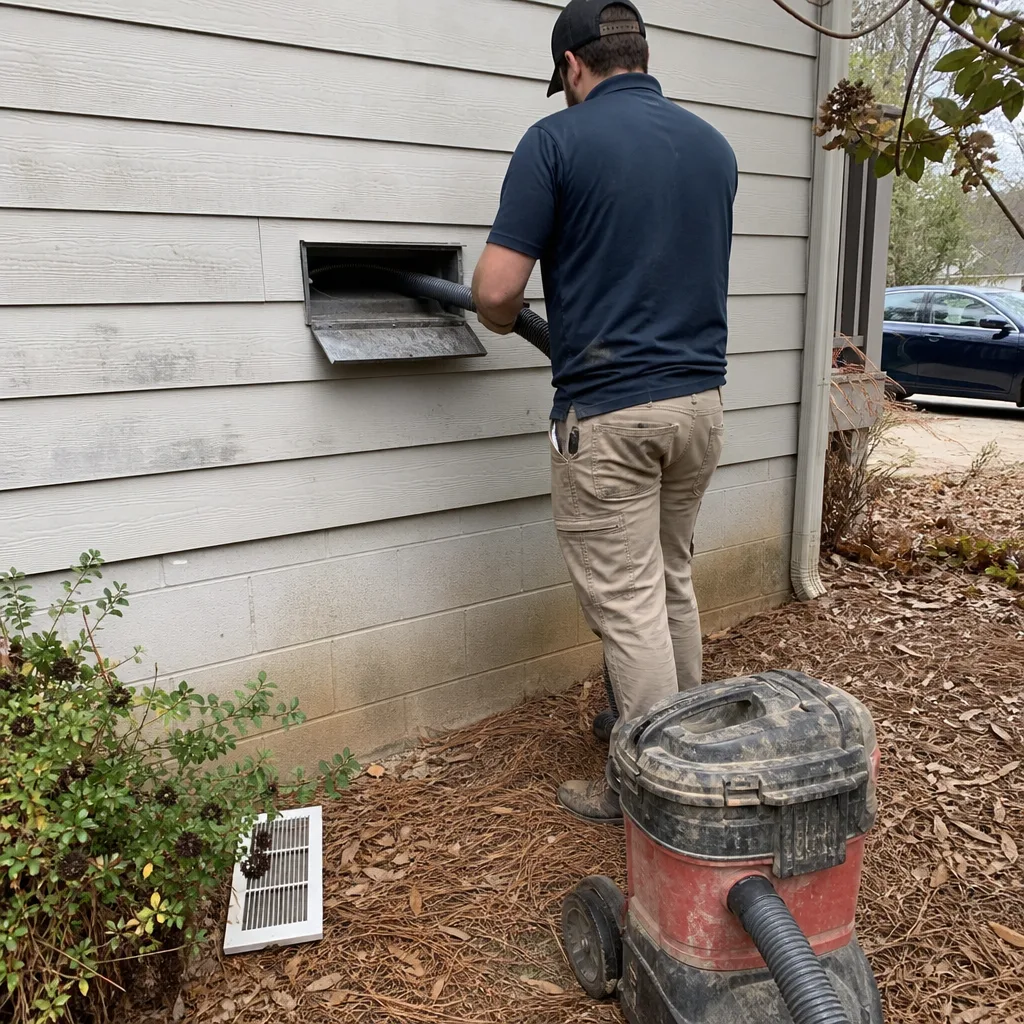 Before
 After
After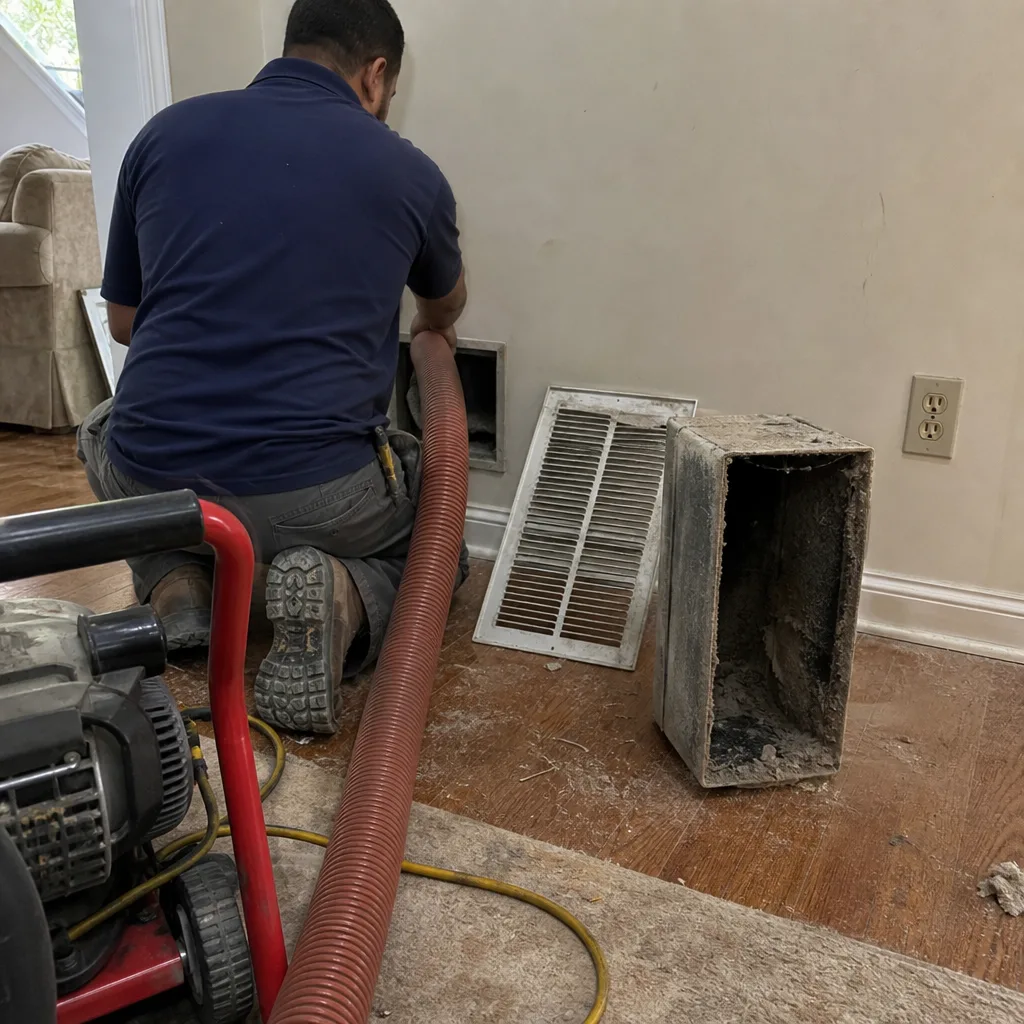 Before
 After
After