
Last updated October 15, 2026
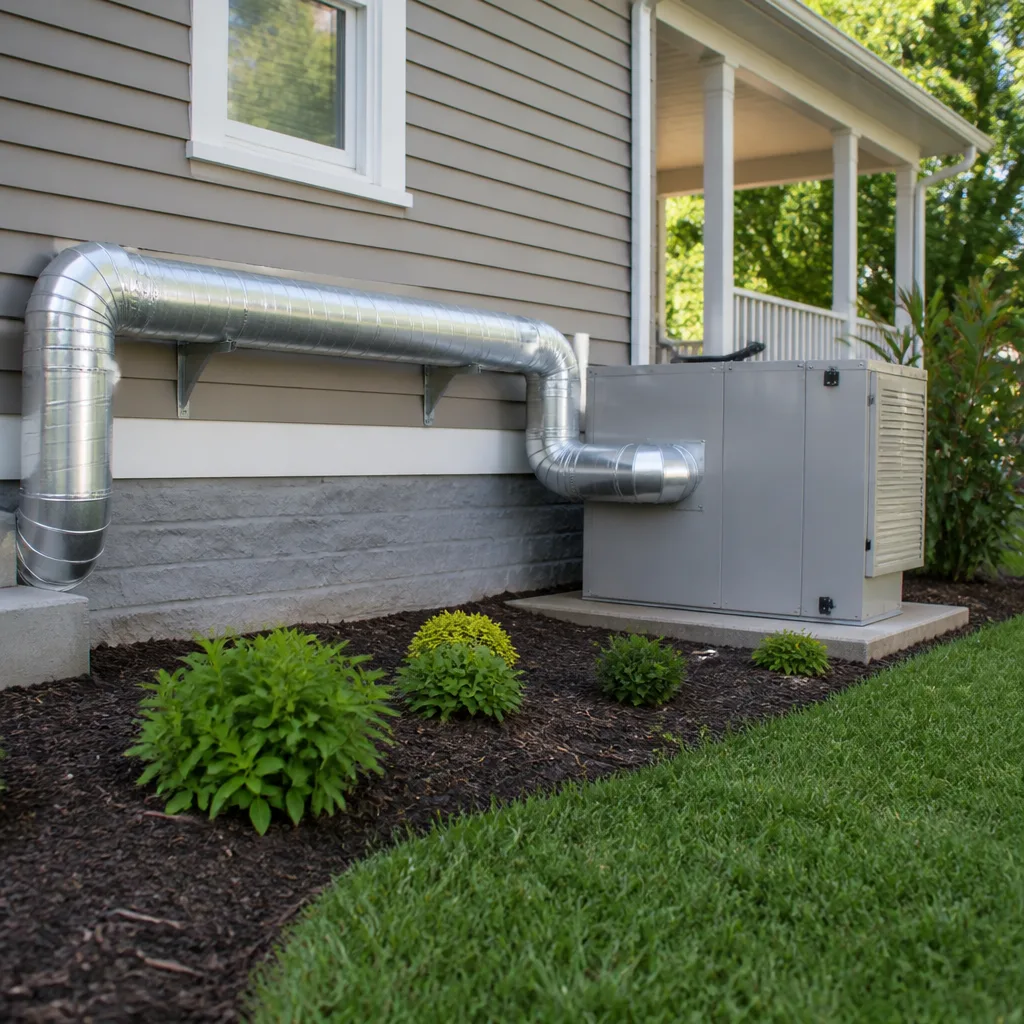 Whole-home duct cleaning
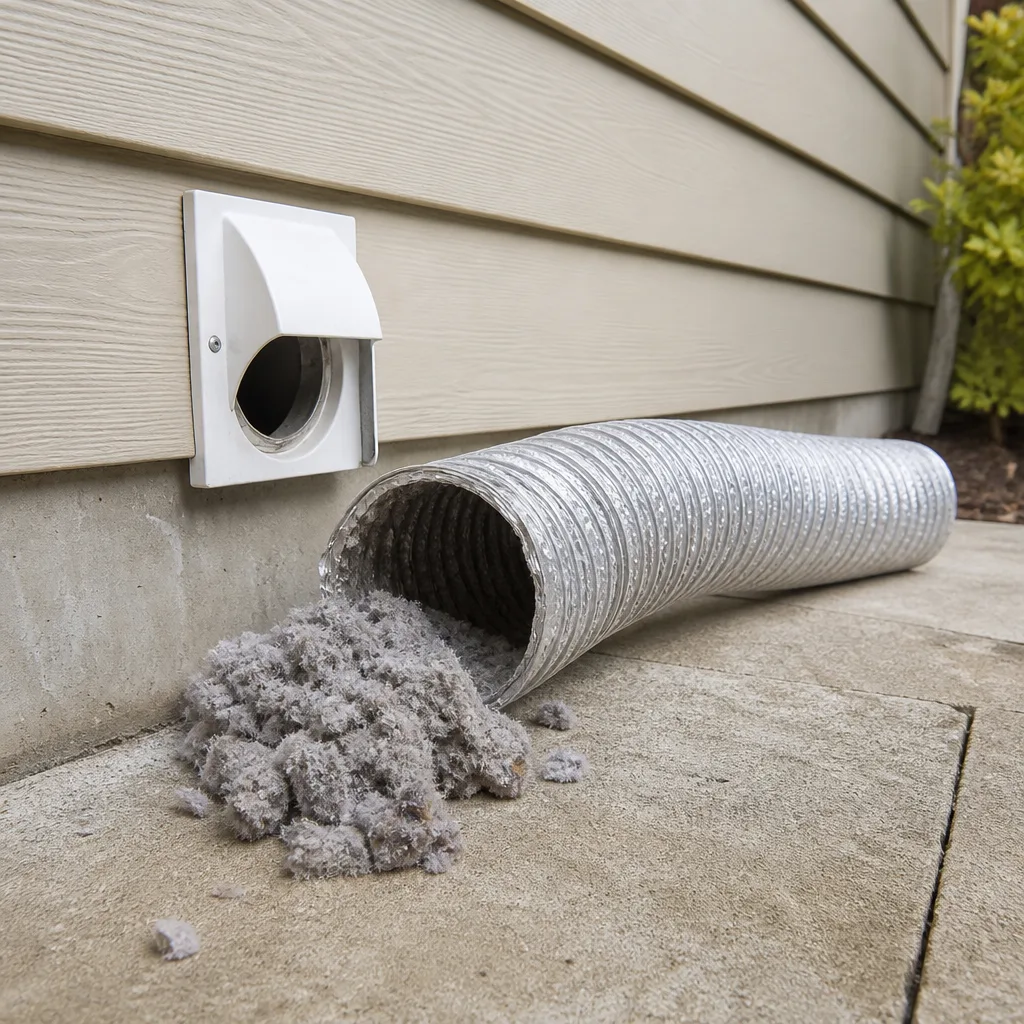 Dryer vent cleaning
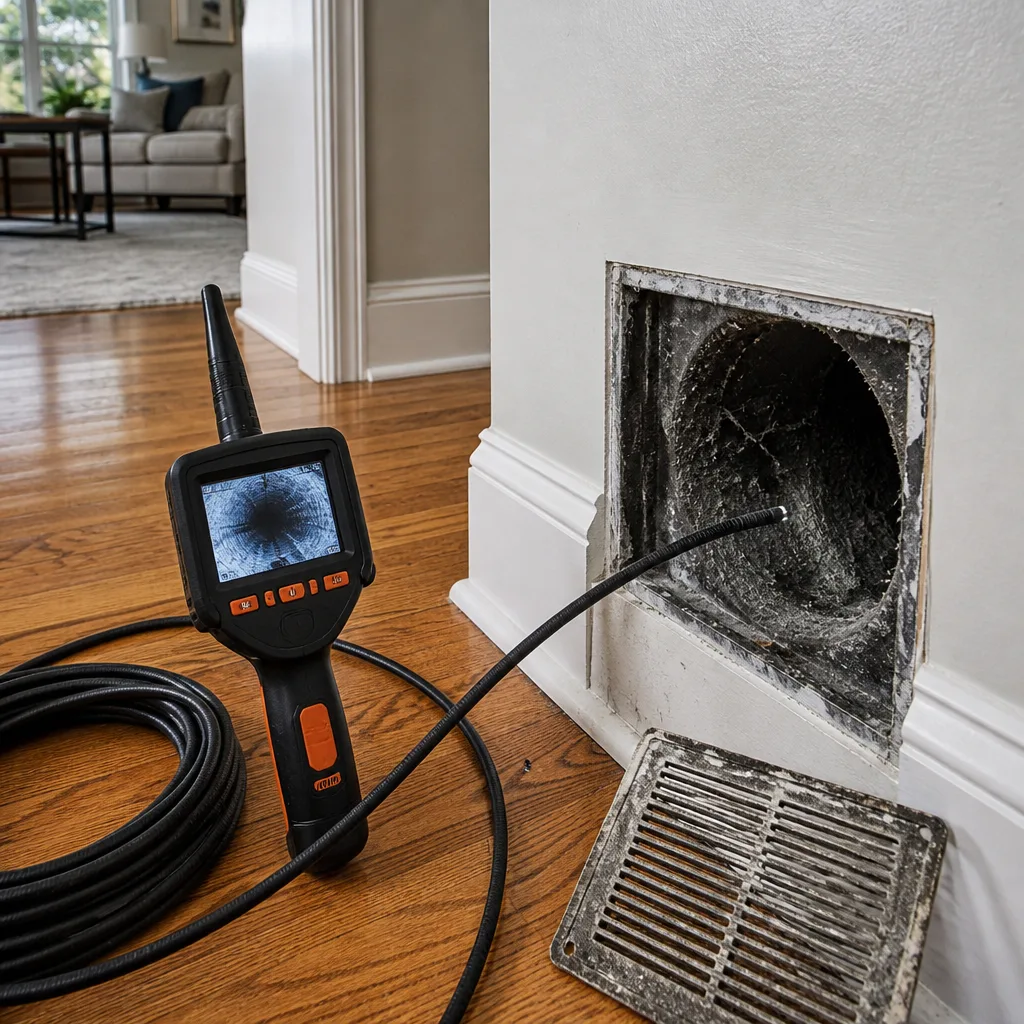 Camera inspection
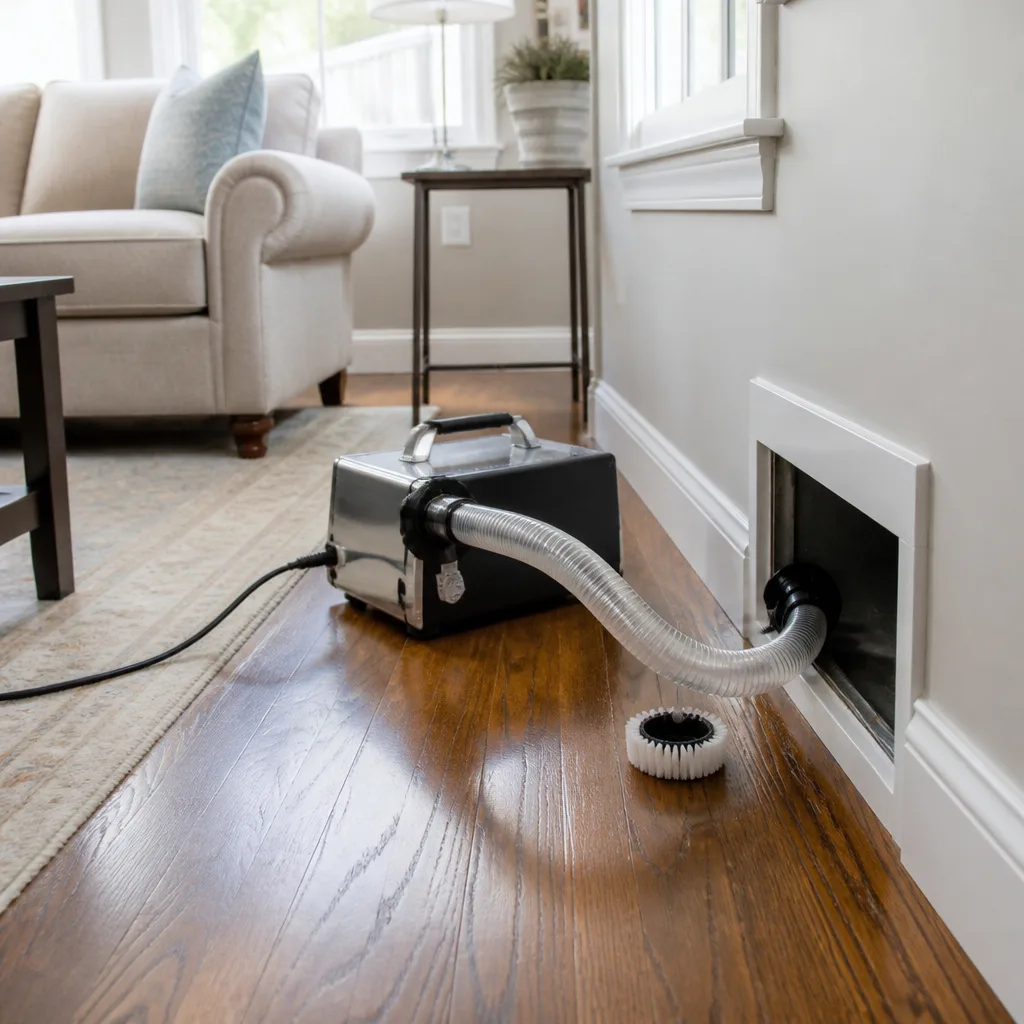 Sanitizing & deodorizing
Whole-system duct and dryer vent check with before-and-after photos - you see exactly what came out of your vents
That "$99 whole-house special" is a bait ad - the real number appears once they are in your hallway, or the "clean" is a shop-vac at the register. We photograph the inside of your ducts before and after instead.
Air Duct Cleaning Warning Signs: A Marietta Homeowner’s Reference Guide
The musty smell that appears only when your AC kicks on is not a basement problem. It’s a signal from inside your duct system. In Marietta, where humidity sits above 70 percent for months at a time, that signal is one of the most reliable early warnings a homeowner gets, and most people misread it. This guide walks through every warning sign that matters, which ones you can see from your living room, which ones hide behind the register, and which ones mean a cleaning alone won’t solve the problem. For our The Complete Guide to Air Duct Cleaning in Marietta, see our dedicated resource. By the time you finish, you’ll know exactly what to inspect, how to document it, and when to call a professional in Marietta.
Quick Answer
The most common air duct cleaning warning signs in Marietta homes are a musty odor when the HVAC runs, visible dust buildup around supply registers, unexplained allergy or respiratory symptoms that improve when you leave the house, and a sudden spike in the dust settling on furniture within days of cleaning. If you notice any combination of these, your ducts likely need Air Duct Cleaning services, and the longer you wait, the more deeply contamination sets into the system.
Styles & brands we work with
Table of Contents
- The Musty Odor That Only Appears When the AC Runs
- Allergy Symptoms That Follow You Indoors
- Visible Dust at the Registers: What’s Normal and What’s Not
- Signs You Can’t See Without Looking Inside the Duct
- When a Cleaning Alone Won’t Fix It
- How to Document Warning Signs Before You Call a Technician
- Why Marietta’s Climate Makes Duct Contamination Worse
The Musty Odor That Only Appears When the AC Runs
Here’s the diagnostic detail most guides skip: a musty smell that appears only when the air conditioner cycles on points to microbial growth inside the air handler or supply plenum with roughly 80 percent reliability. That’s not a vague complaint. It’s a pattern. When the system is off, the odor stays contained inside the ductwork. When the blower starts, it pushes air across damp surfaces where mold, mildew, or bacterial growth has taken hold, and that air carries the smell into your living spaces.
The reason Marietta homeowners face this more often than people in drier climates comes down to condensation. Your AC coil sits inside the air handler, and it sweats. In a properly functioning system, that condensation drains away. But Marietta’s summer humidity means the coil produces more moisture than the drain pan can always handle, especially in older homes around East Cobb or Powder Springs Road where systems run for decades without a deep inspection. That standing moisture becomes a breeding ground.
What should you do if you notice this? First, confirm the pattern. Run the fan alone for ten minutes. If the smell doesn’t appear, then switch to cooling. If the odor returns only with cooling, the issue is almost certainly inside the air handler or plenum, not the vents themselves. That’s a sign you need professional air duct cleaning in Marietta, not just a scented filter.
Allergy Symptoms That Follow You Indoors
Here’s a pattern we see regularly in Marietta: a homeowner blames spring pollen for sneezing, congestion, and itchy eyes, then notices the symptoms don’t improve when they close the windows and run the AC. If anything, they get worse. That’s a duct signal masquerading as a pollen problem.
When your ductwork holds dust, mold spores, pet dander, and pollen from previous seasons, every AC cycle redistributes those particles through your home. The HVAC system becomes a delivery mechanism for allergens. The key diagnostic is location-based. Do you feel better at work or when you stay at a hotel? Do symptoms spike within thirty minutes of returning home? That’s an indoor air quality issue, and the ducts are the most common culprit.
In Marietta specifically, the pollen season is brutal. From March through May, pine and oak pollen blanket the city. That pollen gets pulled into return vents, settles in the ductwork, and lingers long after the trees stop producing. A thorough duct cleaning removes that accumulated load. For homes with persistent allergen sensitivity, we also recommend looking at Aprilaire filtration products, which can be integrated into the existing system to capture airborne particles before they circulate.
Visible Dust at the Registers: What’s Normal and What’s Not
Some dust around a supply register is normal. Gravity does its work, and the metal register itself attracts a fine coating over time. But there’s a difference between normal accumulation and contamination that warrants immediate cleaning.
Normal dust accumulation looks like:
- A thin, even gray film on the register surface
- Dust that wipes away easily with a dry cloth
- No visible accumulation on the wall or ceiling around the register
- Dust that returns slowly over several weeks
Contamination requiring professional attention looks like:
- Thick, dark gray or black buildup that doesn’t wipe clean
- Dust “shadowing” on the wall or ceiling around the register, which indicates airflow is pushing particles out at a volume the filter isn’t catching
- Debris visible inside the register opening when you shine a flashlight in
- Dust that reappears within days of cleaning, suggesting a deep reservoir inside the ductwork
The flashlight test is the simplest diagnostic. Remove a register cover, shine a light inside, and look at the duct walls. If you see a thick coating of dust, debris, or what appears to be mold or staining, that’s the visual confirmation you need. If you see only a light dusting on the metal, your system is likely in normal condition.
Signs You Can’t See Without Looking Inside the Duct
Some of the most serious warning signs sit beyond what a homeowner can reasonably inspect. These require professional equipment, and they’re the reason we use negative-pressure extraction systems from trade-trusted brands like Rotobrush. Negative-pressure extraction means the cleaning equipment creates a vacuum inside the ductwork that pulls contaminants out rather than pushing them deeper in. That matters because the signs below often indicate contamination that a surface-level cleaning won’t reach.
1. Mold growth on duct surfaces or insulation. This appears as dark staining, often in a splotchy or patchy pattern, and it’s most common in the supply plenum and around the coil. In Marietta’s humidity, mold can establish itself inside ductwork within a single summer if moisture is present.
2. Rodent or pest activity inside the ducts. Droppings, nesting material, and urine staining are serious hazards. The warm, dark, protected environment of ductwork attracts rodents, especially in older Marietta neighborhoods with mature trees and crawl spaces. This requires cleaning plus air duct repair to seal entry points and possibly replace contaminated sections.
3. Fiberglass insulation breakdown. Over time, internal insulation can degrade and shed particles into the airflow. You might notice small glass-like fibers collecting on surfaces near the registers. This is more common in homes built in the 1970s and 1980s around Marietta Square and the surrounding historic districts.
4. Excessive debris from construction or renovation. If you’ve had work done in your Marietta home, drywall dust, sawdust, and paint particles can lodge inside the ductwork. These particles are fine enough to bypass filters and re-enter your air supply for months after the work is complete.
When a Cleaning Alone Won’t Fix It
This is the section most guides leave out, and it’s the one that prevents wasted money. A duct cleaning removes accumulated dust, debris, and microbial growth from the interior surfaces of your ductwork. But if the duct itself is compromised, cleaning is only a temporary measure. Here are the warning signs that indicate you need air duct repair in Marietta rather than, or in addition to, cleaning.
Sign 1: Visible gaps or separations at duct joints. If you can see daylight or feel air escaping at a joint, the system is leaking. Cleaning won’t seal that gap. The repair requires mechanical fastening and sealing at the joint.
Sign 2: Crushed or collapsed sections of flex duct. Flexible ductwork can become kinked or crushed, restricting airflow. You’ll notice weak output from certain registers and possibly a whistling sound. A crushed duct needs replacement, not cleaning.
Sign 3: Standing water in the duct or persistent condensation. If the duct itself is holding water, that indicates a problem beyond contamination. It could be a disconnected drain line, improper insulation, or a condensation problem from Marietta’s humidity. The moisture source must be corrected first, then the affected duct section repaired or replaced, then the rest of the system cleaned.
Sign 4: Rodent damage. If pests have chewed through duct material, cleaning removes what they left behind but the holes remain. Those access points must be sealed, and damaged sections often need replacement. At Linden Air Duct Marietta, every repair includes a written guarantee and a free second visit if the repair fails. That’s a standing commitment on every repair job, not a promotional offer.
How to Document Warning Signs Before You Call a Technician
A technician’s inspection is only as good as the information you provide. When you can describe exactly what you’re seeing, hearing, and smelling, and when those symptoms occur, the inspection becomes targeted rather than exploratory. Here’s the step-by-step documentation process we recommend to every Marietta homeowner before scheduling a professional air duct cleaning in Marietta.
Step 1: Note the timing of smells. Write down when the musty or stale odor appears. Is it when the AC first kicks on? When the heat runs? Constant regardless of system activity? This timing tells the technician where to look first.
Step 2: Map which rooms show symptoms. Not all registers are equal. If dust accumulates faster in one bedroom than anywhere else, that suggests a specific duct run or branch is contaminated rather than the entire system. Make a simple list: room, symptom, severity.
Step 3: Photograph visible signs. Use your phone to take photos of register buildup, dust shadowing on walls, and anything you see inside the duct opening. Include a wide shot for context and a close-up for detail. These photos give the technician a baseline before they arrive.
Step 4: Check and record your filter condition. Note the last time you changed your filter and its current condition. A filter that’s clogged within weeks of replacement suggests excessive particulate load in the system. This is useful diagnostic data.
Step 5: Note any recent home changes. Renovations, new pets, water damage, or landscaping changes all affect duct condition. A technician who knows you recently replaced carpet with hardwood will look for construction dust in the return ducts.
When you call Linden Air Duct Marietta home for an estimate, this documentation helps us give you a more accurate picture before we ever arrive. The price goes in writing before any work begins, so there’s no surprise invoice waiting at the end.
Why Marietta’s Climate Makes Duct Contamination Worse
Marietta’s climate isn’t just hot. It’s humid in a way that creates specific problems for duct systems. From May through September, outdoor humidity regularly exceeds 70 percent, and dew points sit in the upper 60s and low 70s. That means the air your AC pulls in carries substantial moisture. When that air passes over the cooling coil, condensation forms. In a system that’s properly maintained, that condensation drains away. But any imperfection in drainage, any slight crack in the drain pan, any section of duct that’s uninsulated in a humid crawl space creates the conditions for mold.
Homes in Marietta’s older neighborhoods face additional risks. The historic districts around the Marietta Square were built before modern vapor barrier standards. Many have crawl spaces with exposed earth, which drives moisture upward into the floor joists and, critically, into any ductwork running through that space. Even homes built in the 1980s and 1990s around East Cobb and Sandy Plains often have flex duct running through attics that reach 140 degrees in summer, causing the duct’s outer insulation to degrade and the interior to collect condensation.
This is why Marietta homeowners should be more attentive to duct warning signs than homeowners in, say, Denver or Phoenix. The same amount of neglect produces more serious contamination here because the climate is actively working against the system. Abatement Technologies air-quality products and Guardsman antimicrobial treatments can help, but they’re most effective when applied to a system that has been professionally cleaned first. If you’re also dealing with your clothes dryer, dryer vent cleaning in Marietta addresses a parallel issue we see often: lint buildup that blocks airflow and creates a fire hazard in the exhaust path.
How Duct Warning Signs Differ from General HVAC Problems
One of the most useful skills a Marietta homeowner can develop is the ability to distinguish a duct problem from a broader HVAC issue. The symptoms overlap, but the distinctions matter because they determine which professional you call and what service you need.
Duct-specific signs are tied to the air distribution path: dust at registers, odors that follow airflow, contamination inside duct runs, symptoms localized to specific rooms. These point toward cleaning or repair of the ductwork itself.
General HVAC signs are tied to the equipment: a system that won’t hold temperature, a compressor that short-cycles, a blower motor that squeals. These point toward mechanical service on the furnace, air handler, or condenser.
Sometimes the two overlap. A heavily contaminated coil restricts airflow, which makes the system work harder, which shortens its lifespan and raises your utility bills. In that case, the fix is both: clean the ducts and the coil. Here’s a simple rule of thumb from our technicians: if the symptom travels through the air in your home, suspect the ducts. If the symptom is a mechanical noise or a performance failure, suspect the equipment. And if you’re not sure, a professional inspection resolves the question in under an hour.
What a Legitimate Air Duct Cleaning Actually Involves
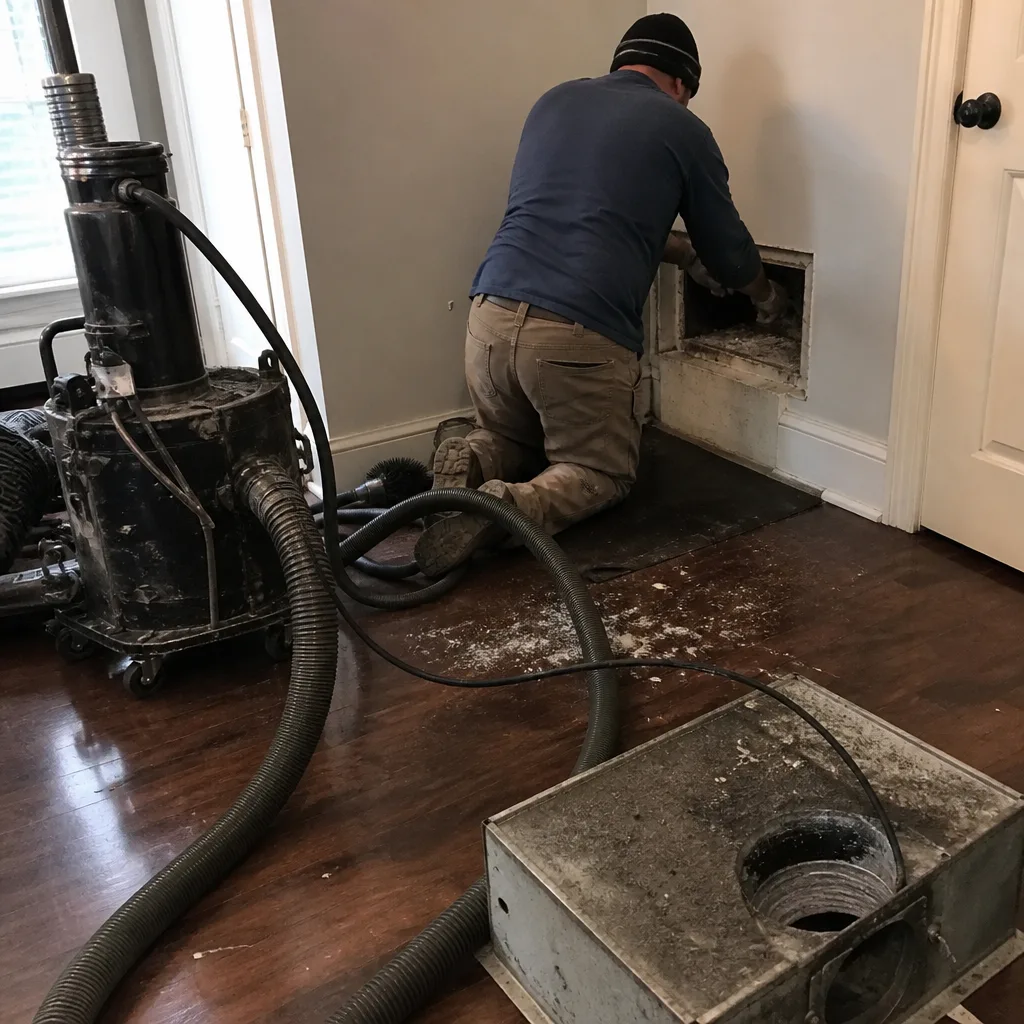
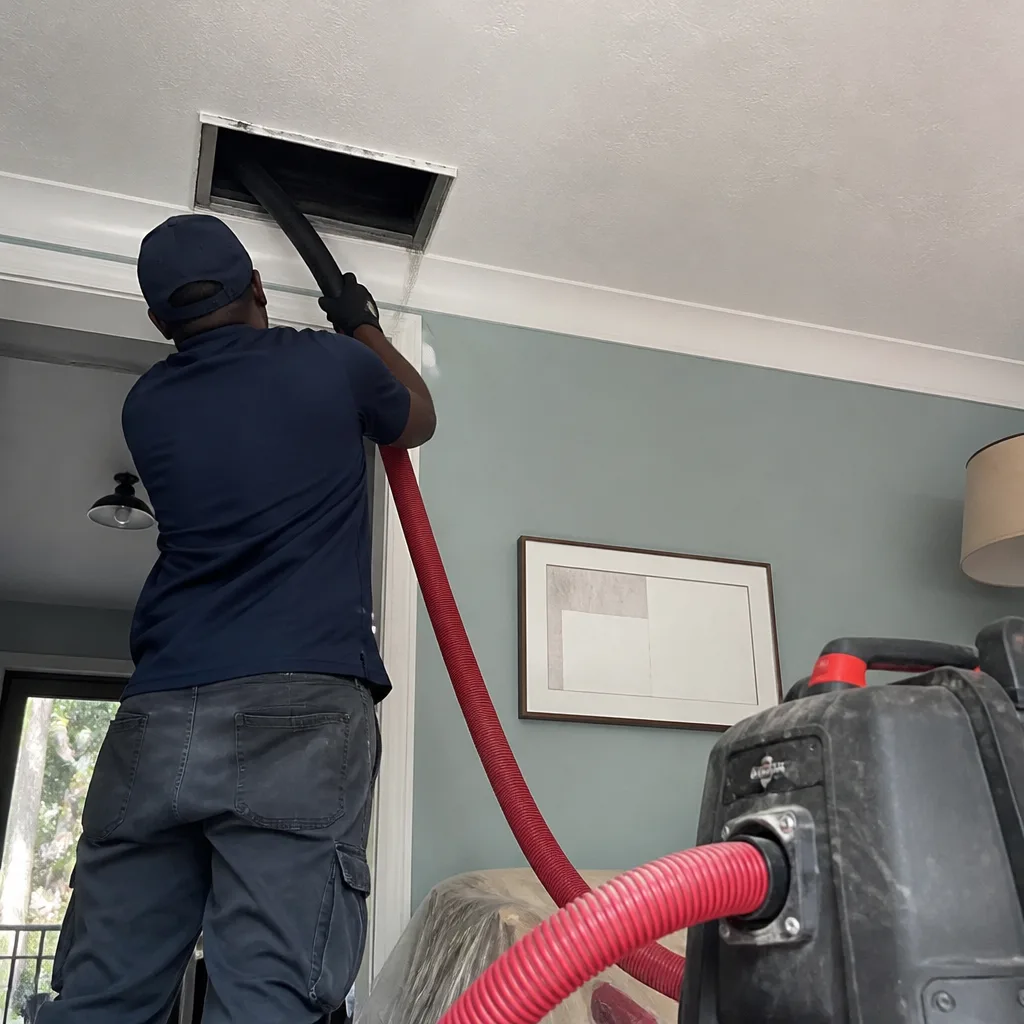
The phrase “air duct cleaning” is used loosely in this industry, which is part of why Marietta homeowners are understandably skeptical. A legitimate cleaning is not a quick pass with a shop vacuum. It’s a systematic process that removes contamination from the entire duct path, and it requires equipment designed for the purpose.
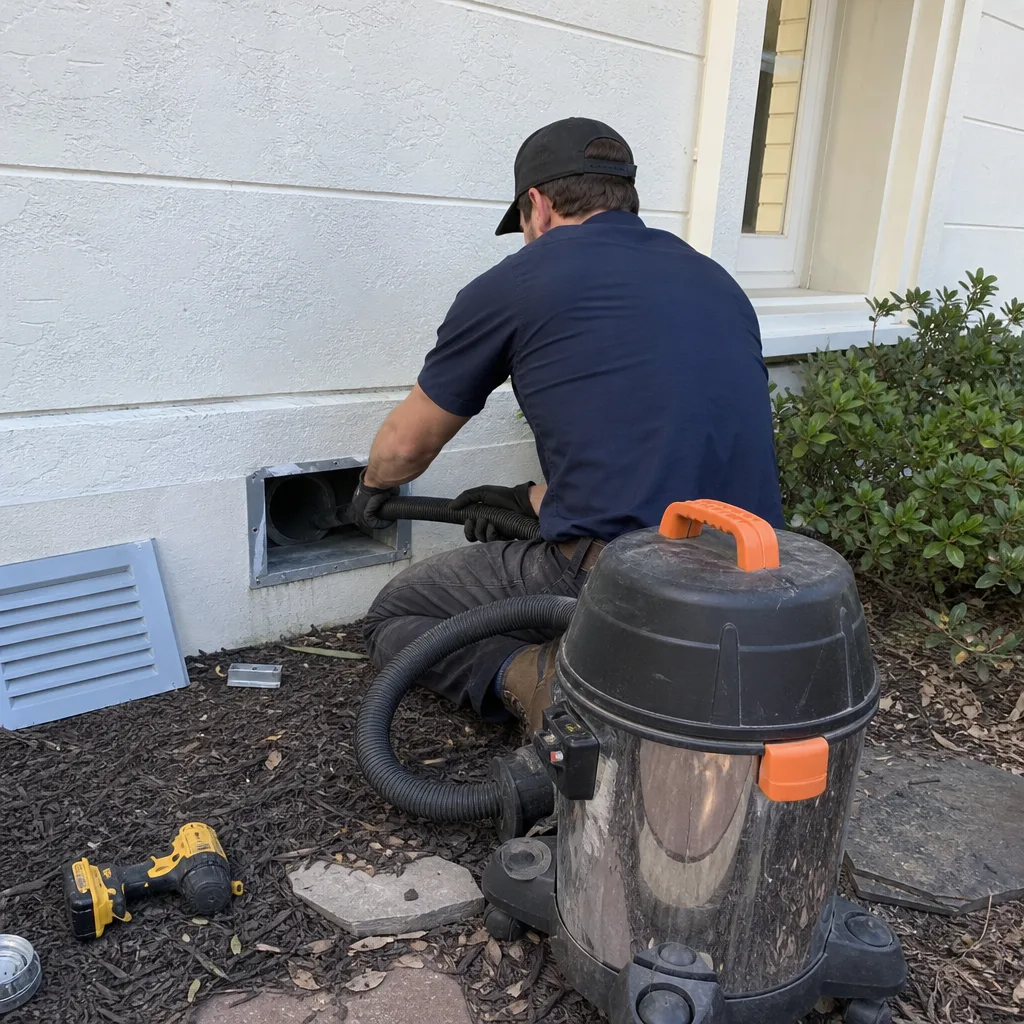
At Linden Air Duct Marietta, we use professional-grade Rotobrush and Nikro systems that combine agitation with negative-pressure extraction. The agitation loosens debris that has adhered to duct surfaces, and the negative pressure extracts it through a sealed collection system rather than blowing it into your living room. That’s the technical difference that separates a real cleaning from a cosmetic one, and it’s why the process takes a few hours rather than forty-five minutes.
Here’s what the process covers:
- Inspection of the full duct path, including supply and return plenums, to identify contamination type and severity
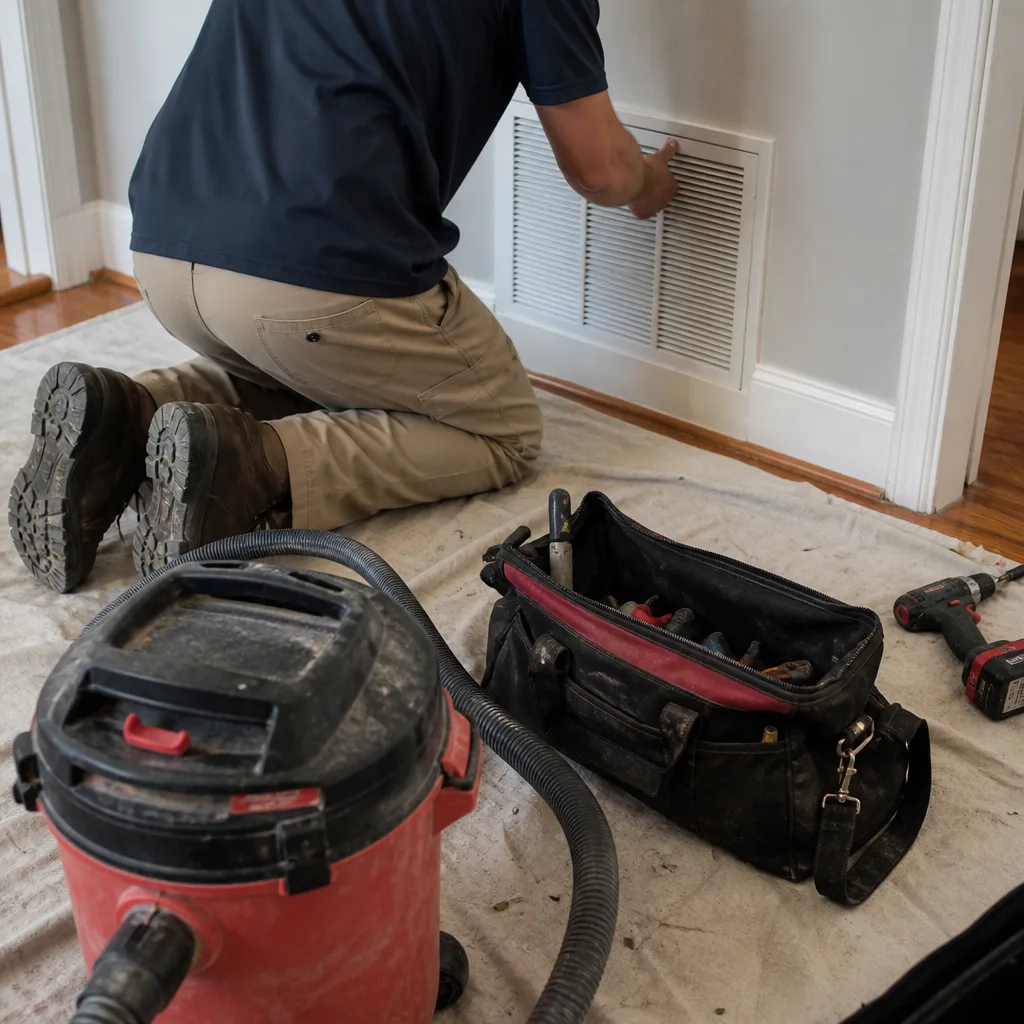
- Sealing of all registers except the section being cleaned, creating directed airflow through the system
- Agitation of the interior surfaces to loosen dust, debris, and microbial growth
- Negative-pressure extraction through a HEPA-filtered collection unit
- Post-cleaning inspection with the homeowner, including photos of the before and after condition
If a company quotes a price based on per-vent pricing, that’s a red flag. At Linden, you get one written price for the entire system before work begins. That price covers the full process described above, not a partial pass. We’ve been serving Marietta homeowners to this standard since 2004 as part of the Threshold Group family, and the 365-Day Done Right Promise backs every job in writing. If the work isn’t right, we make it right. That’s the standard, and it applies to every single home we enter.
See the difference
 Before
 After
After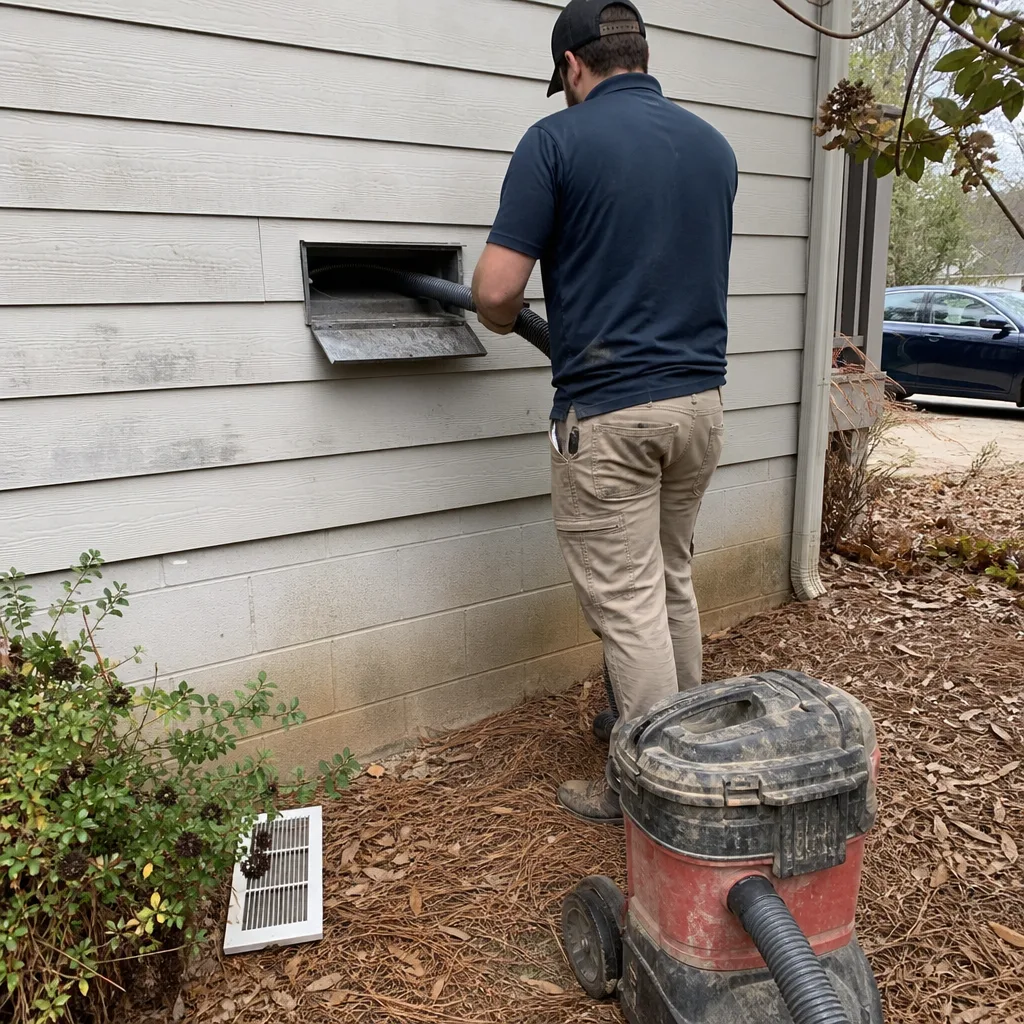 Before
 After
After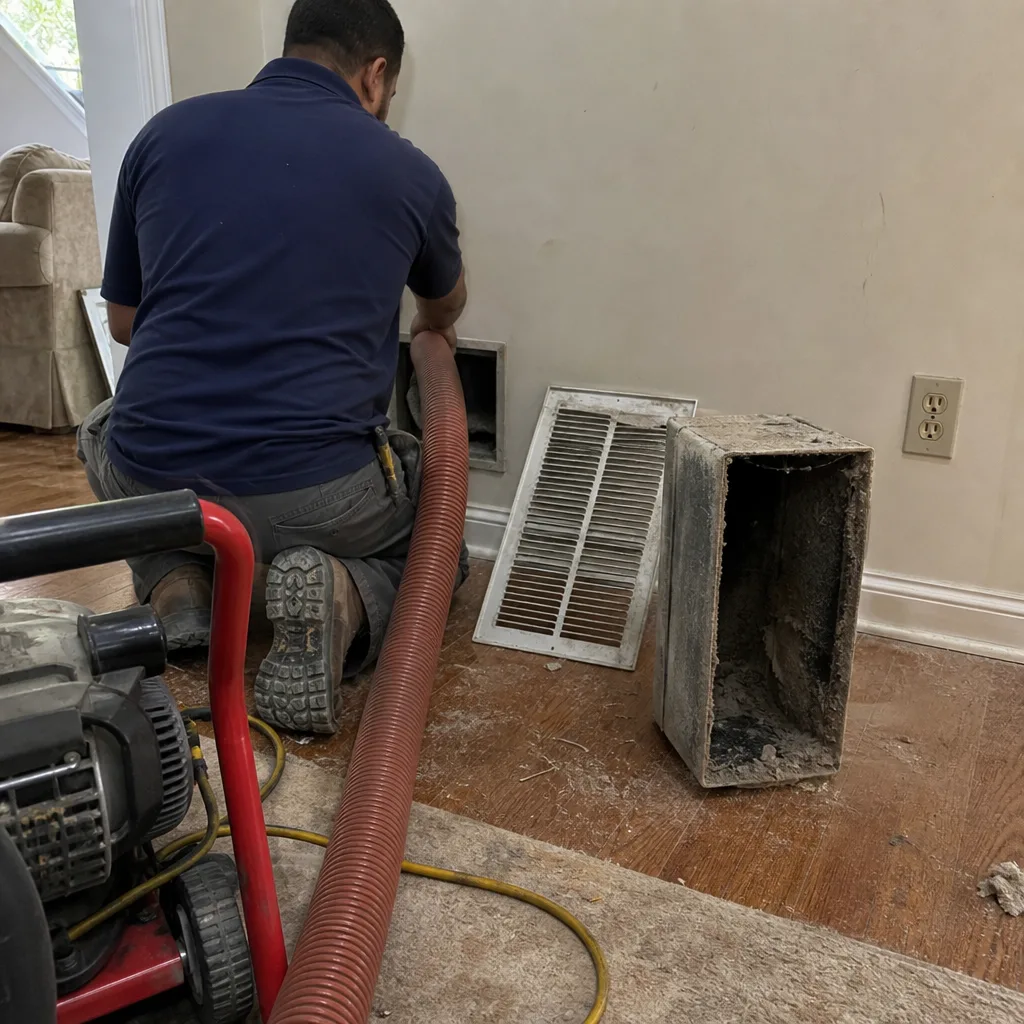 Before
 After
AfterCommon Mistakes to Avoid
- Blaming outdoor pollen for indoor symptoms. Marietta’s spring pollen is real and aggressive, but if your symptoms worsen indoors with the AC running, the problem is inside your home. Test the pattern before you write it off as allergy season.
- Using scented filters or air fresheners to mask musty odors. A scented filter masks the smell without addressing the microbial growth producing it. The growth continues, and the odor returns. Address the source, not the symptom.
- Assuming visible dust is normal for an older home. An older home in Marietta may have quirks, but excessive dust at multiple registers is not one of them. It indicates a contaminated system that’s actively circulating particles.
- Choosing a duct cleaner on price alone. The lowest quote often comes from companies that cut corners on equipment, process, or both. Ask about extraction method, whether the price is written, and what the guarantee covers before you commit.
- Ignoring signs in the return ducts. Homeowners tend to focus on supply registers because that’s where air blows out. But return ducts pull air in, and contamination there is redistributed through the entire system. Both paths matter.
- Delaying action because the symptoms seem minor. Musty odor, dust, and mild allergy symptoms are early-stage signals. They don’t resolve on their own, and Marietta’s humidity means the problem accelerates through the summer. Early cleaning costs less than repair after damage spreads.
When to Call a Professional
You should call a professional when you’ve confirmed a musty odor tied to AC operation, when visible contamination appears at multiple registers, when allergy symptoms are worse indoors, or when you’ve had recent renovation work that may have introduced debris into the system. The same applies if you see mold staining inside a duct opening or evidence of pest activity. These are not conditions that improve with neglect. In Marietta’s climate, they worsen steadily through the cooling season. Linden Air Duct Marietta offers free estimates in Marietta. Call (912) 405-8840, and a live person answers the phone 24/7. We’ll schedule an inspection and give you a written price before any work begins.
Frequently Asked Questions
Whole-system air duct cleaning in Marietta typically ranges from $350 to $700 depending on home size, system complexity, and contamination level. That’s a full-system price, not a per-vent charge. Call (912) 405-8840 for an exact quote, and you’ll get a written price before any work starts.
Ask for before-and-after photos of your own ductwork, not stock images. We provide photos from your system during the inspection and after the cleaning, so you can see the difference. A written post-cleaning report is also part of the job.
Cheaper quotes typically come from companies that skip the full process: no agitation, no negative-pressure extraction, no post-cleaning verification. They may be doing little more than a surface vacuum at each register. With duct cleaning, the price reflects the thoroughness of the work and the equipment used.
For most Marietta homes, every 3 to 5 years is a reasonable interval, with two exceptions: homes with shedding pets may need it more often, and homes that have had renovation work should schedule a cleaning immediately after the project wraps up. If you’re unsure, an inspection will tell you more than a schedule.
If your symptoms are caused by allergens circulating through your ducts, yes. Removing the accumulated pollen, dust, and pet dander from the duct path reduces the particle load in your indoor air. For persistent symptoms, pairing a cleaning with better filtration from Aprilaire can extend the benefit. Call (912) 405-8840 to discuss what’s appropriate for your home.
If you haven’t noticed warning signs, you may not need urgent cleaning. But many Marietta homes with hidden contamination show no obvious symptoms until the problem is well established, particularly homes with ductwork in humid crawl spaces. An inspection provides a definitive answer, and it’s free at Linden Air Duct Marietta.
The Bottom Line
The warning signs that matter in Marietta homes are usually present long before a homeowner recognizes them. A musty smell tied to AC operation, dust that returns within days, allergy symptoms that worsen indoors, and visible contamination at the registers are all signals worth acting on. Ignoring them allows contamination to deepen, and in Marietta’s humidity, the problem compounds through every cooling season. Document what you see and smell, know the difference between cleaning and repair, and get a written price before you commit. If you need air duct repair in Marietta, Linden Air Duct Marietta handles repairs with a written guarantee and a free second visit if the repair doesn’t hold. Call (912) 405-8840 for a free estimate, and know exactly who’s coming to your door before they arrive.
Written by Marcus Veale, Owner at Linden Air Duct Marietta, serving Marietta since 2004.