
Last updated October 15, 2026
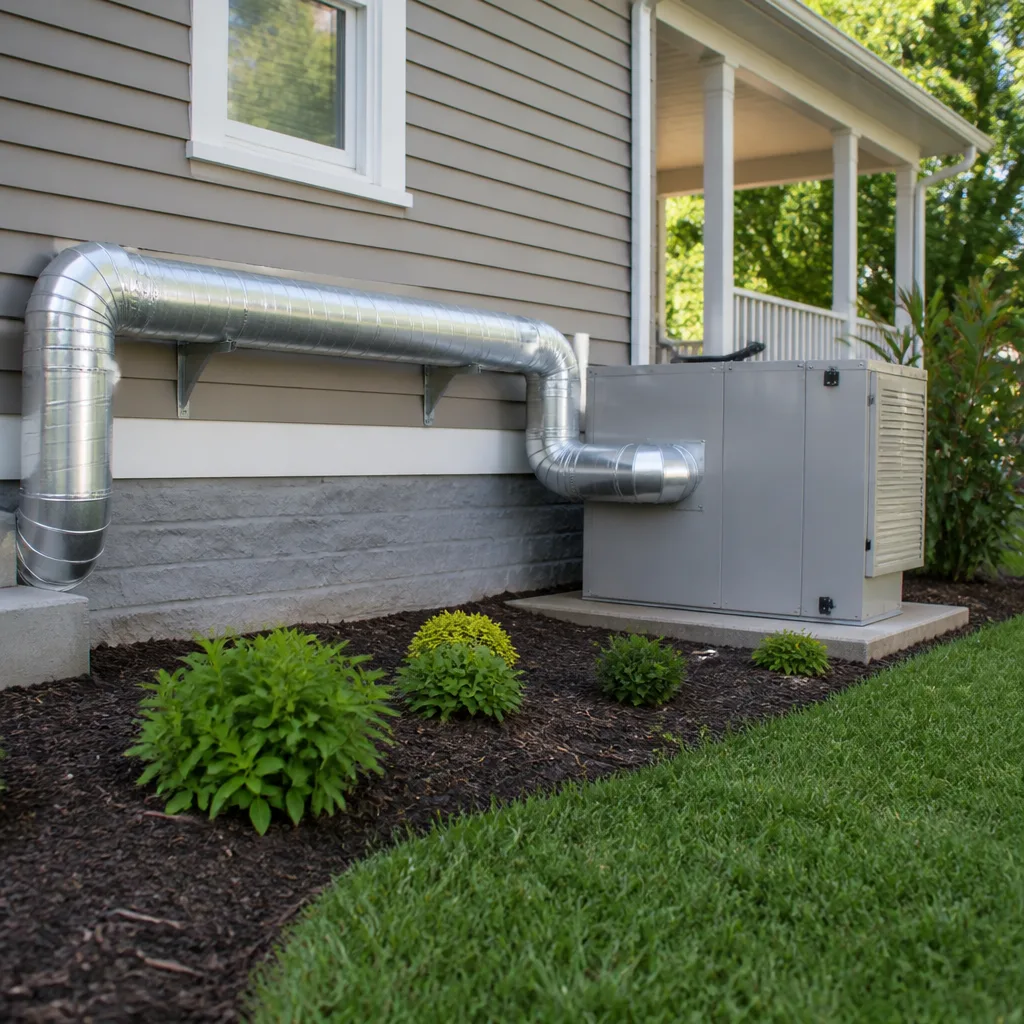 Whole-home duct cleaning
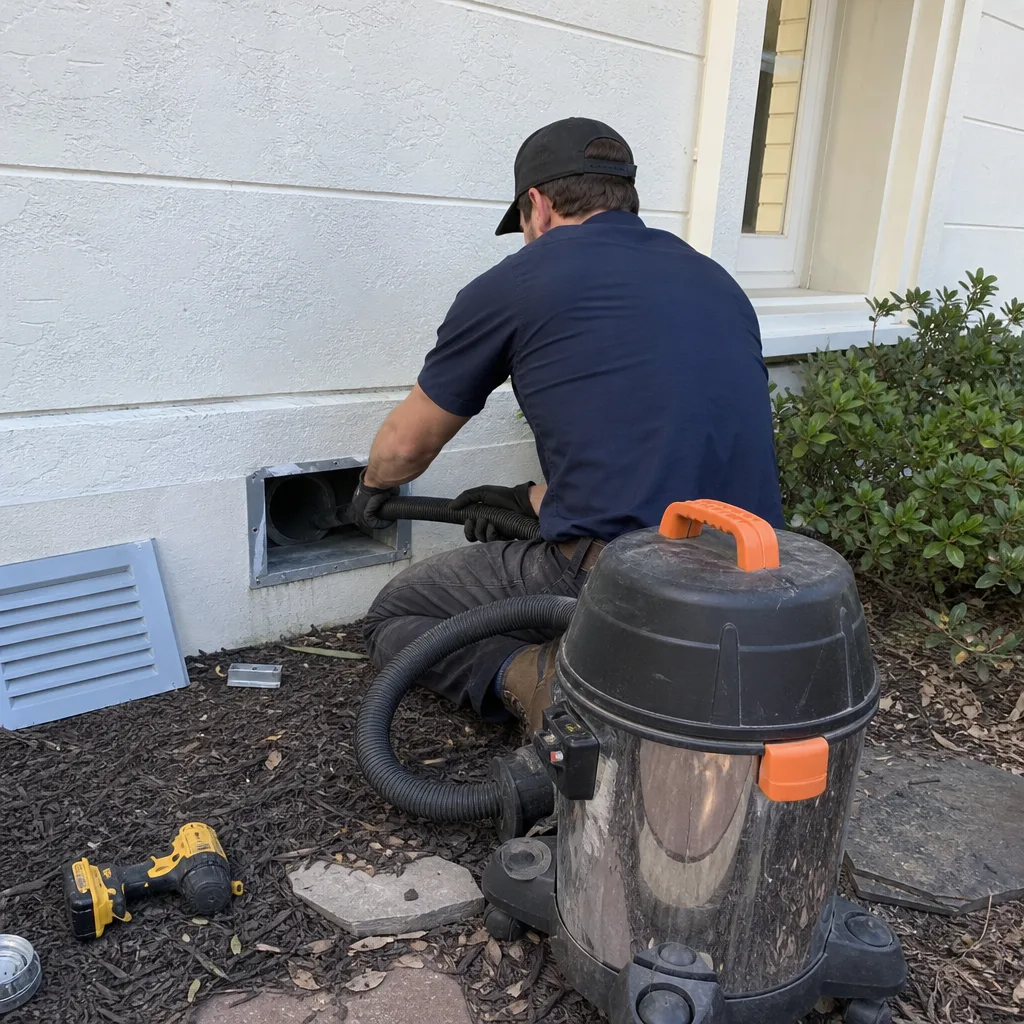
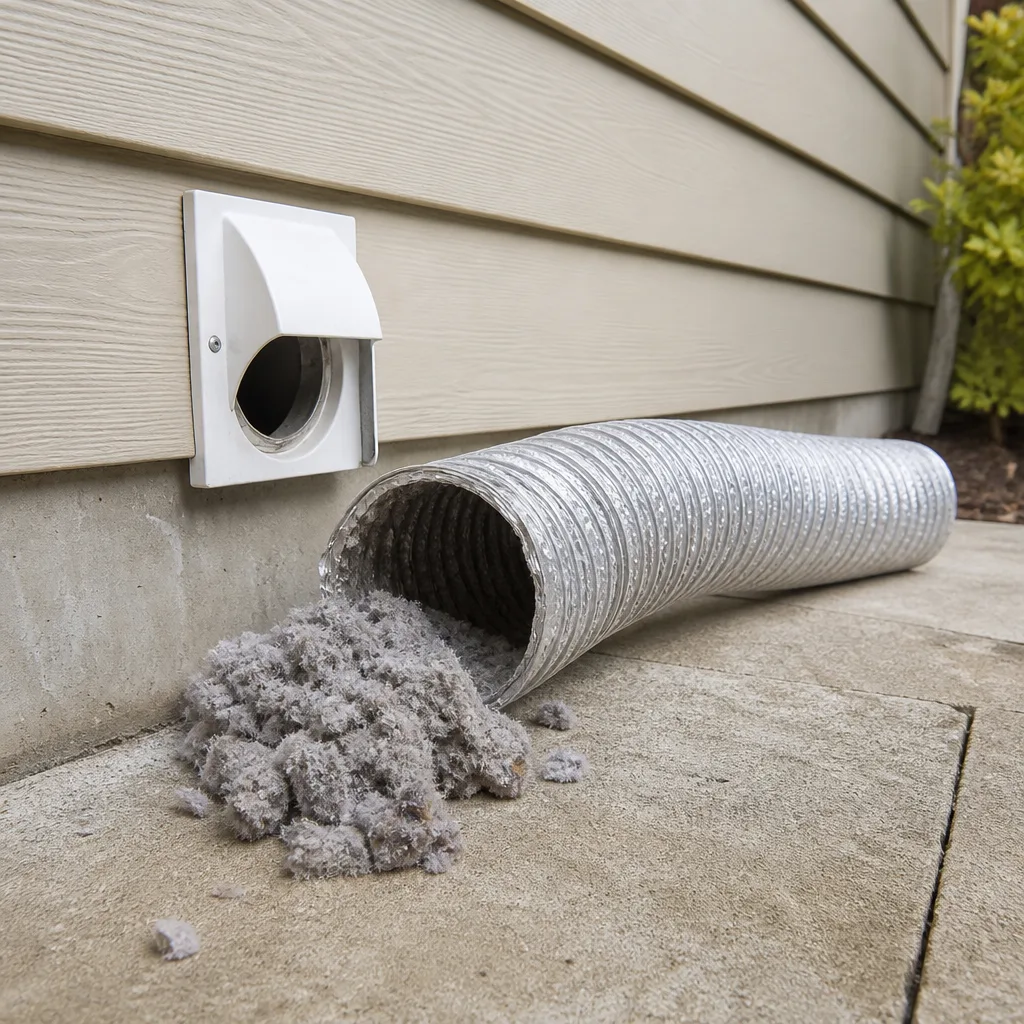 Dryer vent cleaning
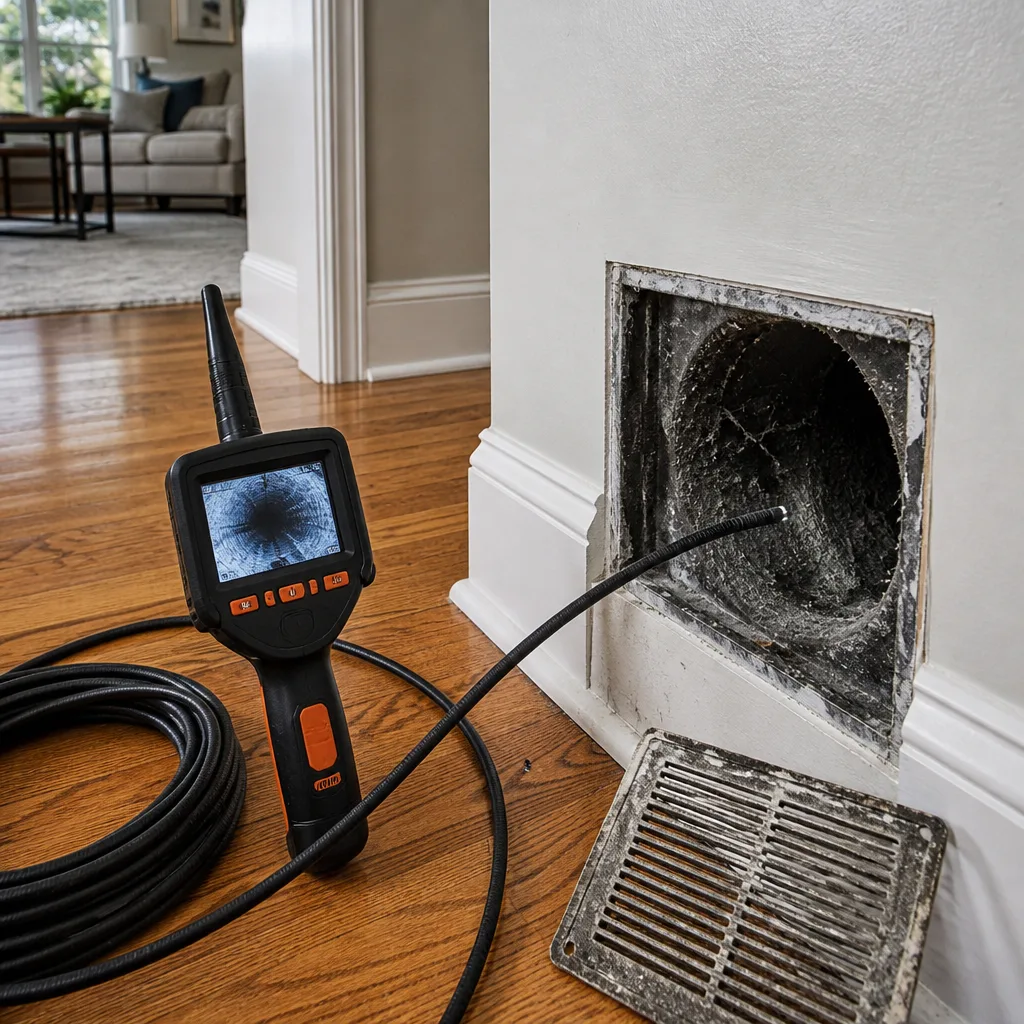 Camera inspection
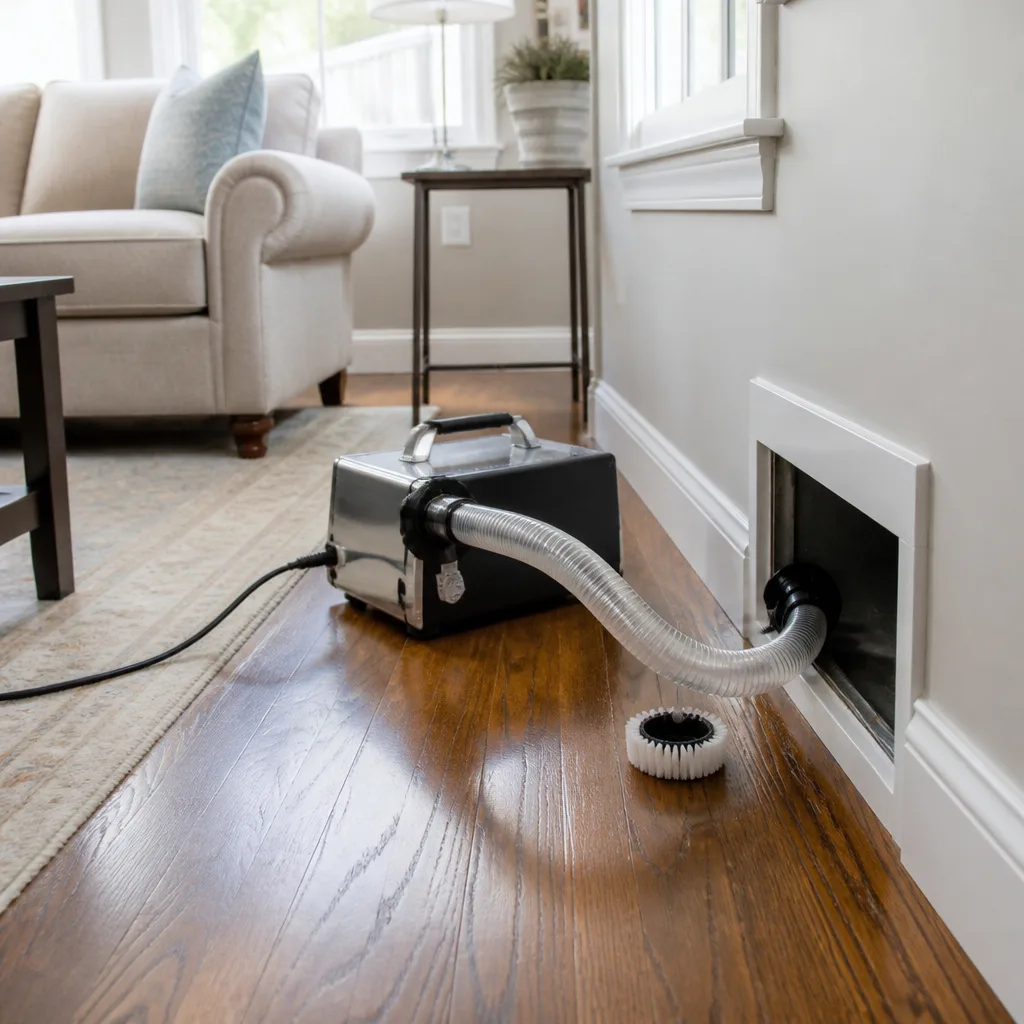 Sanitizing & deodorizing
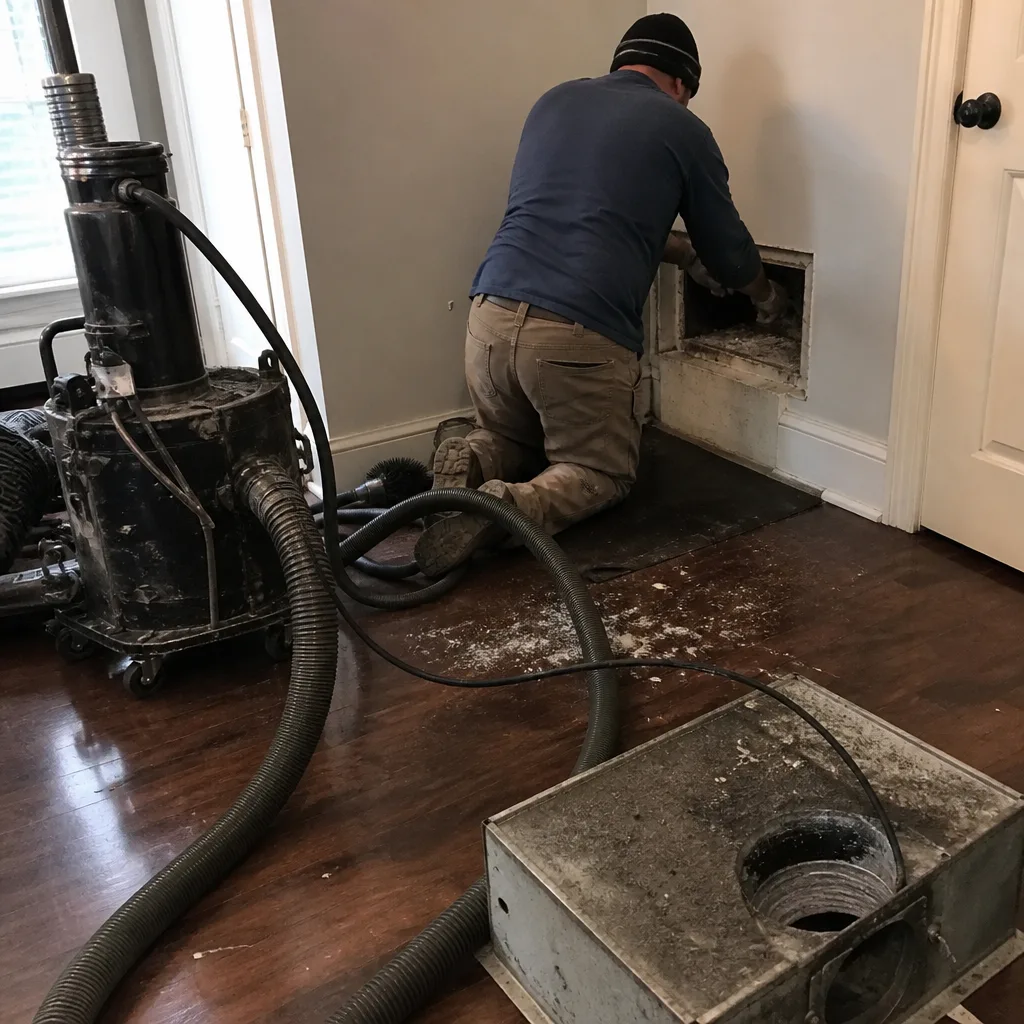
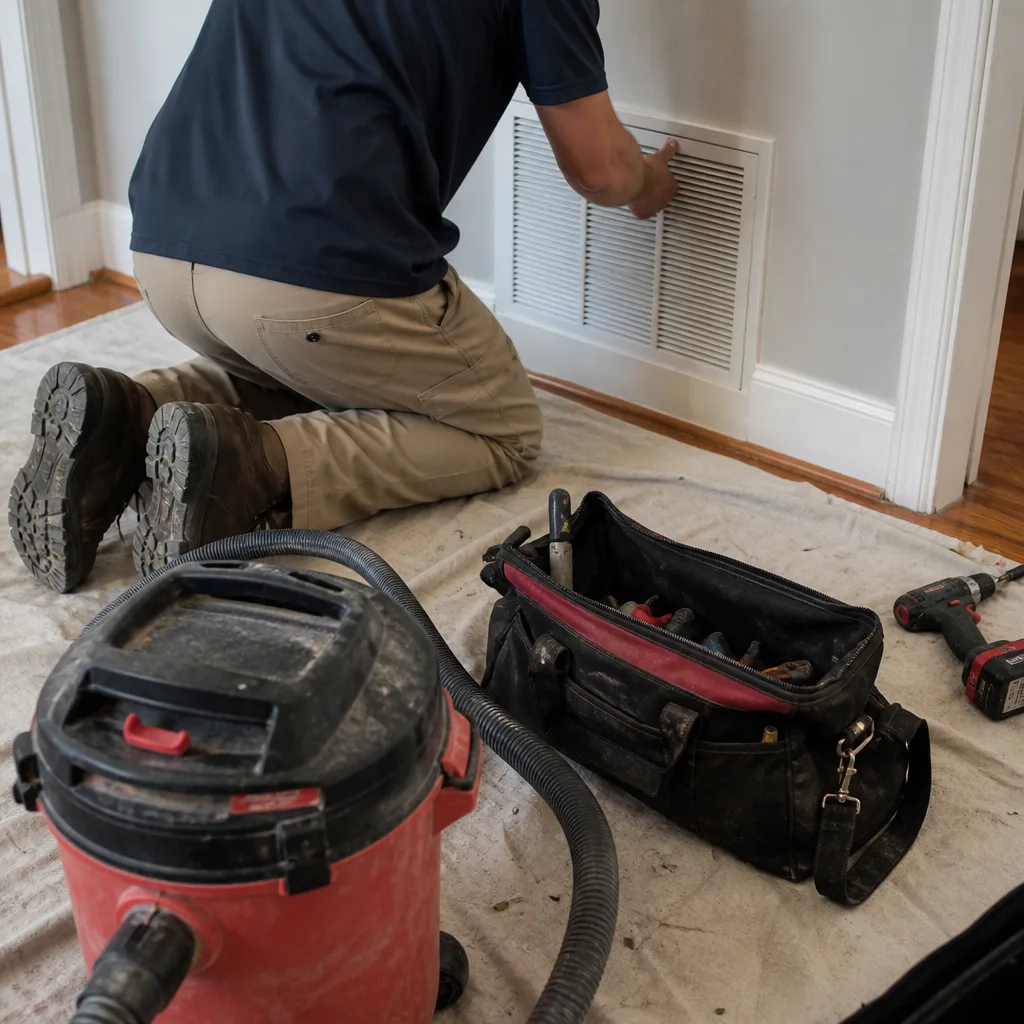
Whole-system duct and dryer vent check with before-and-after photos - you see exactly what came out of your vents
That "$99 whole-house special" is a bait ad - the real number appears once they are in your hallway, or the "clean" is a shop-vac at the register. We photograph the inside of your ducts before and after instead.
Air Duct Cleaning Maintenance Checklist for Marietta Homeowners
Marietta’s tree canopy is one of the densest in metro Atlanta, and every spring it releases a pollen load that regularly pushes the local Pollen Count Station into the “Extremely High” range. Most generic duct maintenance checklists were written for national averages, which means they miss the specific timing of Marietta’s oak, pine, and grass pollen surges by weeks. This guide is a month-by-month checklist built for how Marietta’s air actually behaves, so you’ll know exactly what to inspect, when to change filters, and when it’s time to call a professional rather than keep wiping the same dust off the vents yourself.
Styles & brands we work with
Quick Answer
An effective air duct cleaning maintenance checklist for Marietta homeowners follows the local pollen calendar rather than a generic quarterly schedule: check and likely replace HVAC filters monthly from March through May, perform a visual vent inspection every 60 days, clean return-air grilles in April and October, and schedule a professional negative-pressure cleaning when you see visible dust accumulation at vent openings after a filter change or when allergy symptoms spike indoors. Most Marietta homes benefit from our Air Duct Cleaning services every 3 to 5 years, with dryer vent cleaning annually.
Table of Contents
- The Month-by-Month Marietta Duct Maintenance Calendar
- Filter Change Intervals Calibrated to Marietta’s Pollen and Humidity
- Visual Inspection Steps That Need No Tools
- How to Log Duct Condition Over Time
- Red Flags: When Professional Service Is Needed Immediately
- Common Mistakes to Avoid
- When to Call a Professional
- Frequently Asked Questions
- The Bottom Line
The Month-by-Month Marietta Duct Maintenance Calendar
A generic “change your filter every 90 days” reminder fails in Marietta because our air quality swings hard. In March and April, oak pollen counts routinely top 1,000 grains per cubic meter. In July and August, relative humidity sits above 70% for weeks, which feeds microbial growth inside ductwork that carries conditioned air. In October, falling leaves and the first furnace runs stir up particulate that has settled since spring. Here is a month-by-month checklist tied to what actually happens in Cobb County air.
January and February
- Inspect the furnace filter. If you have a 1-inch fiberglass filter, it’s almost certainly loaded after holiday cooking and closed-window dust. Replace it.
- Walk each room and hold a tissue near supply registers while the furnace runs. If the tissue waves vigorously, airflow is good. If it barely moves, note the room and check for a closed damper or blocked register.
- Check the return-air grille for a gray film. Winter dust is fine and dry and clings to the grille face.
March through May (Pollen Season)
- Move to a monthly filter replacement schedule from March 1 through May 31, even if the packaging says 90 days. Marietta oak pollen will clog a standard filter in 3 to 4 weeks during peak bloom.
- Wipe return-air grilles with a damp cloth every two weeks. Pollen cakes onto the grille face and restricts airflow.
- Keep windows closed on high-pollen days, especially on dry, breezy afternoons. A single open window on a 1,500-grain pollen day pulls a measurable amount of yellow dust into the return duct.
- At the end of May, inspect the outside AC condenser unit. Pollen and cottonwood debris build up on the coil fins and force the system to run longer, which pulls more air through the ducts.
June through August (Humidity Season)
- Check the condensate drain line monthly. A clogged drain line raises indoor humidity, and damp ducts are where microbial growth starts.
- Listen for a change in airflow noise. If the system sounds muffled or the air feels heavy, the evaporator coil or duct lining may be retaining moisture.
- Run the bathroom exhaust fan for 20 minutes after a shower, not 5. Marietta summer humidity means extractor fans are doing ductwork defense.
- If you see condensation forming on visible ductwork in a garage or crawlspace, flag it. That means the duct insulation is inadequate for our summer dew points.
September and October
- Deep clean return-air grilles and inspect visible supply registers in every room. This is the pre-heating-season reset.
- Replace the filter before the first furnace run of the season. Dust and pollen from spring have been sitting in the return plenum all summer.
- Check for rodent signs at duct boots in the basement or crawlspace. Mice and rats in Marietta move indoors starting in October, and ductwork is a common entry path.
November and December
- Replace the filter monthly if you use a wood-burning fireplace. Fireplace ash is extremely fine and bypasses many filter types.
- Inspect the dryer vent exterior hood for lint accumulation. Colder weather means longer drying cycles, which means more lint pushed through the line.
- Check for a dusty smell on first furnace start. If you get a musty smell that does not fade within the first hour, schedule a professional air duct cleaning.
This calendar is not a national template with Marietta city names pasted in. It’s built from what we actually see in homes across Cobb County: yellow pollen dust inside return ducts in May, damp smudges around vent boots in August, and fine fireplace ash coating registers in December. For a deeper look at how Air Duct Cleaning in Marietta handles these local challenges, see our service page.
Filter Change Intervals Calibrated to Marietta’s Pollen and Humidity
Filter packaging gives you a generic interval, usually 90 days. Marietta’s air quality overrides that. Here’s an honest breakdown of what we recommend based on local conditions and what the filter catches.
- March through May: 30 days. This is non-negotiable during oak, pine, and grass pollen season. A standard 1-inch MERV 8 filter at a Marietta home in April will be visibly yellow at the 4-week mark.
- June through August: 45 to 60 days. The big challenge here is humidity, not pollen. A damp filter loses efficiency and can become a substrate for mold. If your system runs more than 10 hours a day in July, check the filter every 30 days.
- September through February: 60 to 90 days. This is the only window where the 90-day rule holds, and it still depends on fireplace use, pets, and whether you cook often. Homes with shedding dogs should stick to 60 days year-round.
The filter’s job in Marietta is to protect the equipment and maintain airflow, not just to clean the air. A clogged filter forces the blower motor to work harder, which shortens its life and pushes unfiltered air through gaps around the filter frame. That unfiltered air deposits directly inside the ducts. If you’re seeing dust return to surfaces within 48 hours of cleaning, your filter interval is too long for your house’s conditions. In our experience across Marietta, pet owners and homeowners near undeveloped lots or major roadways need 30-day filter changes more often than the national average suggests.
Visual Inspection Steps That Need No Tools
You can assess a surprising amount of duct condition with your eyes, a phone flashlight, and five minutes. Here are the exact steps we walk homeowners through, in order.
- Remove one supply register in the room farthest from the HVAC unit. Set the screws aside. Shine your phone flashlight into the duct boot. Look for visible dust, pet hair, or construction debris. A thin dust film is normal. A pile or visible debris is not.
- Run your finger along the inside wall of the duct. If it comes back coated, that dust is being pushed into your living space every time the system cycles. A faint gray smudge is fine. A thick, dark coating means the duct needs cleaning.
- Check the return-air grille in the hallway. This is the grill air is pulled through before it enters the system. If it has a visible dust blanket across at least half the grille surface, you’re choking your HVAC intake. Cleaning the grill and the first 12 inches of the return boot helps immediately.
- Look at the blower motor cabinet, if accessible. If the blower wheel blades look fuzzy, that dust is being recirculated. A clean blower wheel is smooth metal. A furry one needs professional attention.
- Inspect vent blades in every room. Black or gray streaks near vent openings are called “ghosting” and indicate particle deposition from the duct airflow. It’s a sign that the duct interior is dirty, not that the vent is.
- Check for duct leaks at visible joints in the garage or crawlspace. If you see a gap, a disconnected section, or silver tape that’s peeling, you’re pulling attic or crawlspace air into the system. That’s a repair issue, not a cleaning issue.
These steps take at most 10 minutes and give you a reliable picture of what’s happening inside the system before you ever pick up the phone. For more on the repair side, see Air Duct Repair in Marietta.
How to Log Duct Condition Over Time
A single inspection tells you what the duct looks like today. Repeated inspections, logged consistently, tell you how fast it’s deteriorating and what’s driving that deterioration. Here’s a simple logging method that works on a notes app or a paper sheet taped to the furnace.
- Date every inspection. Log the month, the filter age, and the outdoor conditions. Write “April 14, filter 3 weeks old, oak pollen high” not just “looked dirty.”
- Use a 1 to 5 scale for register dust. 1 is clean metal, 3 is a visible but thin dust layer, 5 is enough dust that you can write your initials in it. This numeric scale removes subjectivity.
- Note which rooms show the most dust. If the master bedroom consistently scores higher than the living room, you may have a duct leak or a poorly sealed return in that part of the house.
- Record filter condition at replacement. Write “MERV 8, replaced at 34 days, heavily coated with yellow pollen” rather than just throwing the old filter away. Over time this creates a picture of how fast your specific home loads filters.
- Snapshot photos once per season. A phone photo of the open register taken from the same angle each quarter is the simplest trend log possible. You don’t need a fancy setup to see a change from April to October.
- Share the log with a technician. When a professional arrives, your log gives them more useful information than a single glance at the current state. It shows the trend, and the trend is what matters for deciding between cleaning versus repair.
In our experience across Marietta, homeowners who keep even a basic log catch problems 18 to 24 months earlier than those who rely on memory. A duct that goes from a 2 to a 4 dust score between March and August is telling you something specific. A log that documents that shift gives us the data we need to diagnose it correctly.
Red Flags: When Professional Service Is Needed Immediately
Some checklist findings mean “call a professional this week.” Others can wait until your regular maintenance window. For related guidance, see our Air Duct Cleaning Warning Signs: A Marietta Homeowner’s Reference Guide to help tell the difference.
Immediate red flags:
- Visible mold growth on or near air registers, especially in bathrooms or the kitchen. This is a health issue and a professional air duct inspection is warranted.
- Water stains or moisture on visible ductwork in the crawlspace or garage. Water in the duct means the system is pulling in outside moisture, and cleaning without fixing the moisture source will not solve the problem.
- Rodent droppings inside the return grille or visible duct. This requires removal, sanitization, and sealing the entry point.
- A sudden drop in airflow from multiple rooms while the system runs. A disconnected duct section will starve rooms completely.
- Mold or a persistent musty smell that comes from the vents specifically, not from the room.
Can-wait checklist items:
- A gray dust film on the return grille that wipes away cleanly with a damp cloth and does not reappear for weeks.
- A slight musty smell on the first furnace start in November that fades after one full day of use.
- Dust accumulation on furniture that you can attribute to a known source, like a construction project nearby or a recent round of sanding.
- One room slightly dustier than others but with no visible duct damage. This can often wait until the next professional cleaning, unless allergy symptoms are severe.
The distinction matters because scheduling a full professional cleaning for a minor filter issue wastes your money. But delaying on a moisture or mold signal can turn a $400 cleaning into a multi-thousand-dollar remediation project. Use the checklist to identify which bucket you’re in. When in doubt, err toward calling, and ask specifically about what you saw. A good technician will tell you whether it’s urgent or not over the phone, without a service charge to answer that question.
Common Mistakes to Avoid
- Cleaning only the visible vent covers and calling it done. Wiping the register face does nothing for the 20 to 50 feet of duct behind it. You’re cleaning the mailbox while the post office is overflowing.
- Using cheap fiberglass filters and changing them rarely. A 50-cent filter catches large particles only. Fine Marietta pollen passes straight through it and deposits inside the return duct. The filter exists to protect the system, and a cheap one is doing neither that nor cleaning your air.
- Running the fan continuously in humid weather without checking the condensate drain. Continuous fan mode pulls more air across a wet coil in July, which means more moisture inside the ducts. If your drain line is clogged, that’s a humidifier for the ductwork.
- Ignoring the dryer vent because the ducts are the “real” issue. A clogged dryer vent is the most common preventable fire hazard in the home. Dryer Vent Cleaning in Marietta should be on the annual checklist, not an afterthought.
- Sealing every supply register in unused rooms. Closing off too many registers increases static pressure and forces air through duct leaks. It also makes the blower work against a wall, which shortens its life.
- Assuming a musty smell is “just how old houses smell.” Musty air from the vents is microbial activity inside the duct system. It’s not a house personality trait, and it will not resolve on its own.
- Waiting until the ducts look visibly dirty to schedule a cleaning. By the time dust is visible at the register face, the system has been circulating that particulate for months. Routine cleaning on a calendar, not a reaction to visible soiling, is how you keep it under control.
When to Call a Professional
Call when your checklist turns up a red flag you cannot fix from the outside: visible mold at vent openings, rodent debris in the return, water staining on ductwork, airflow that has dropped across multiple rooms, or a persistent musty smell that does not fade. Also call if you cannot remember the last time the ducts were professionally cleaned, or if the home is new to you and you don’t know its duct history. Previous owners rarely mention that they never cleaned the ducts once in 15 years. If your visual inspection scores a 4 or 5 on the register dust scale, or if your allergen symptoms improve when you leave the house and return within an hour of coming home, the duct system is a likely contributor. Linden Air Duct Marietta offers free estimates in Marietta. Call (912) 405-8840 and describe what you’re seeing. We’ll tell you honestly whether you need a full cleaning, a targeted repair, or just a better filter strategy.
Frequently Asked Questions
Professional air duct cleaning in Marietta typically ranges from $325 to $650 for a full system cleaning in a single-family home, depending on home size, number of returns, accessibility, and how heavily the ducts are soiled. We put every price in writing before any work begins, so you’ll never see a surprise invoice after the job is done. Call (912) 405-8840 for an exact quote based on your home’s specifics.
Every 3 to 5 years is the honest range for most Marietta homes, but local factors shift it. Homes near heavy tree cover with pollen-fighting HVAC systems may need it every 3 years. Homes without pets, with hardwood floors, and with disciplined filter changes may stretch to 5. A new home or one just renovated should be cleaned before you move in, because construction dust inside ducts is not filtered out by run time. If you’re setting up a maintenance calendar for the first time, pick a 4-year interval and adjust based on what your visual inspections show.
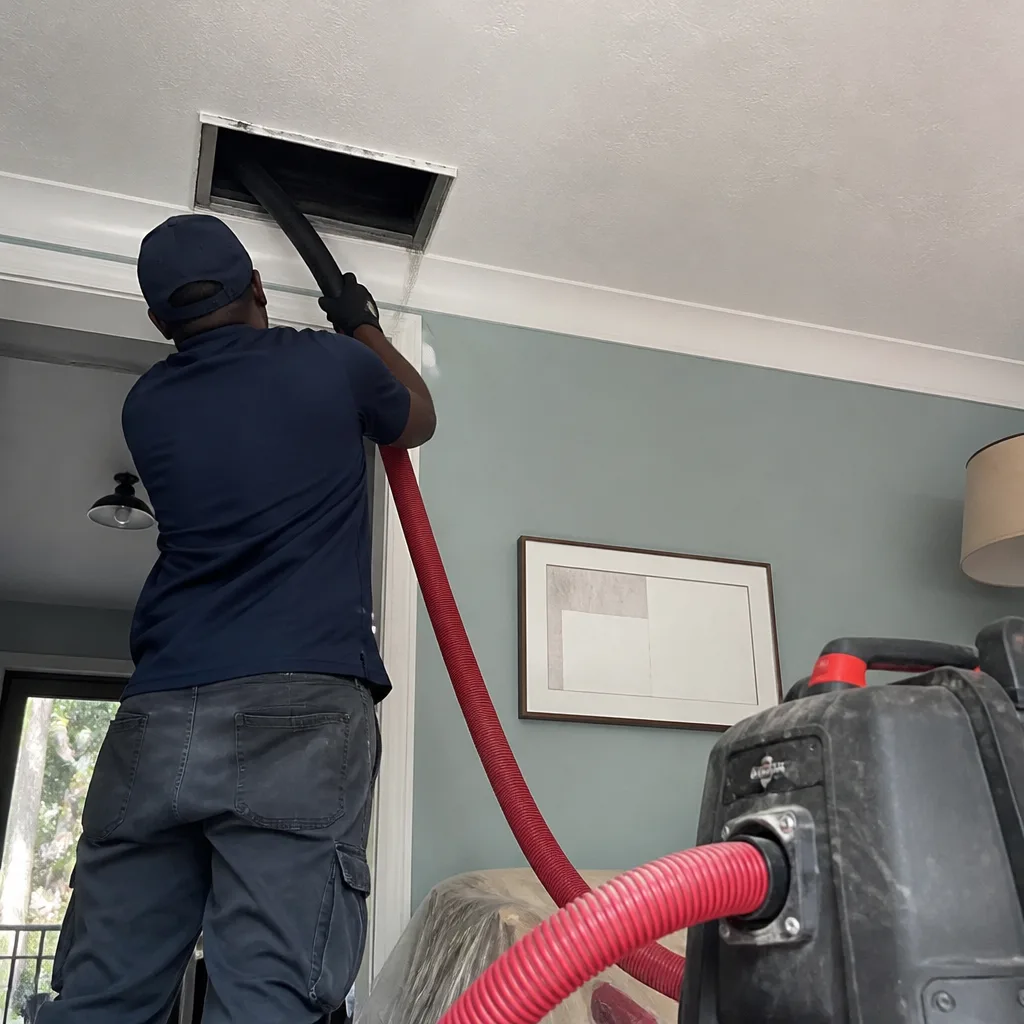
A very low quote is usually based on a per-vent teaser price that balloons into a much larger invoice once the technician is in the home, or the company is not actually cleaning the full system. Before hiring, check Air Duct Cleaning Permits, Codes & Inspections in GA: What You Need to Know to verify legitimacy. Some operations run a shop vac into a few registers and call it done. Real negative-pressure extraction with professional equipment from brands like Rotobrush or Nikro pulls the entire duct system under vacuum and agitates the duct walls. Cheaper quotes skip that step. We provide one flat price per system in writing before the work starts, so the number you approve is the number you pay.
Request before-and-after photos of the duct interior, not just vent covers. A legitimate cleaning will show visible difference in the duct walls. Ask what equipment was used and whether the return plenum, blower cabinet, and supply boots were included. If the technician cannot answer those questions specifically, the job may have been a surface wipe-down. We provide our customers with a written record of what was cleaned, what equipment was used, and what condition we found the system in. You deserve to know what you paid for.
It can, especially if the duct system is carrying years of accumulated pollen, dust, and pet dander into the breathing space. But duct cleaning is not a cure for allergy symptoms, and homes with active moisture problems or a missing air filtration strategy will not get long-term relief from cleaning alone. We tell Marietta homeowners to think of duct cleaning as resetting the system to clean, then pairing it with quality filtration and seasonal maintenance to keep it that way. For homes directly under heavy tree canopy, the difference in indoor air quality after a proper cleaning is measurable and immediate.
You can perform the visual inspections and register cleaning described in this guide, but you cannot fully clean the interior duct system without professional negative-pressure equipment. Household vacuums cannot reach the full duct length, and DIY attempts often push debris deeper into the system or damage flex duct. The duct walls, return plenums, and supply boots require extraction equipment that fits the full duct profile. The safe, effective DIY work is the maintenance checklist itself. For more guides & resources, explore our blog, and leave the actual duct cleaning to a trained professional with the right equipment.
The Bottom Line
A Marietta duct maintenance checklist only works if it follows Marietta’s actual air: 30-day filters during spring pollen season, 45-to-60-day filters through humid summer months, and higher alertness in October and November when the furnace first returns and rodents seek warmth. Watch for the red flags that mean immediate professional service: mold at vents, water on ductwork, rodent evidence, sudden airflow loss. Keep it simple: inspect visually every 60 days, log what you see, change filters on the local calendar, not the packaging calendar. For more on keeping the whole system healthy, revisit Linden Air Duct Marietta home for our full service list. When your checklist turns up something you can’t explain, call (912) 405-8840 and talk to a real person, any hour.
Written by Marcus Veale, Owner at Linden Air Duct Marietta, serving Marietta since 2004.
See the difference
 Before
 After
After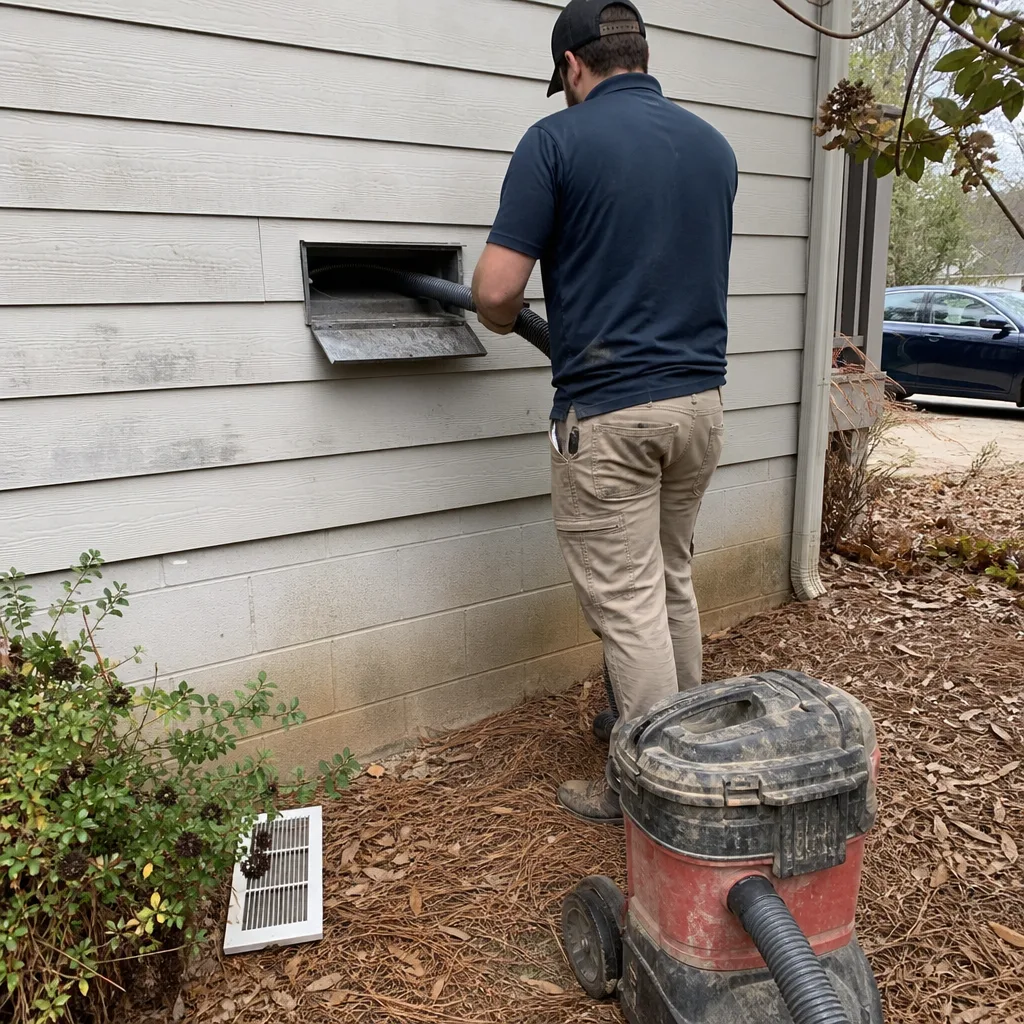 Before
 After
After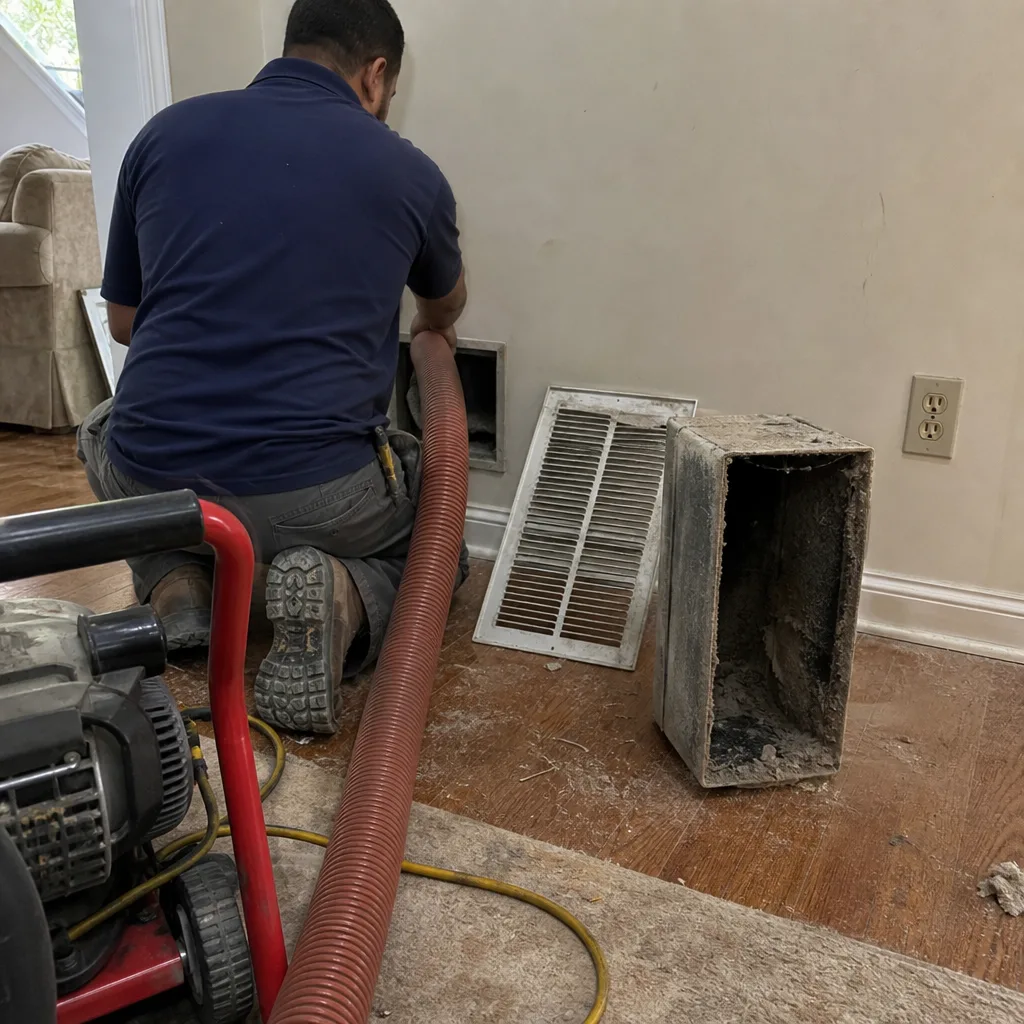 Before
 After
After