
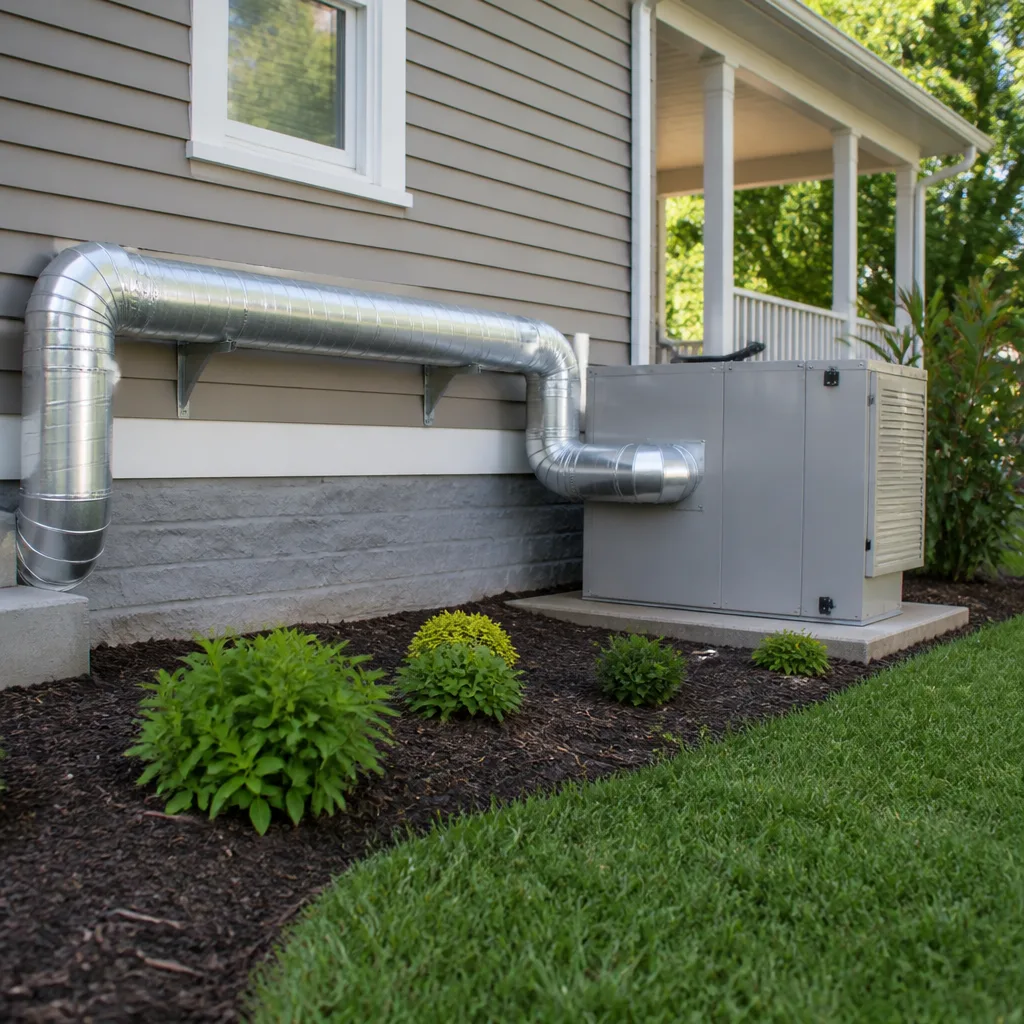
 Whole-home duct cleaning
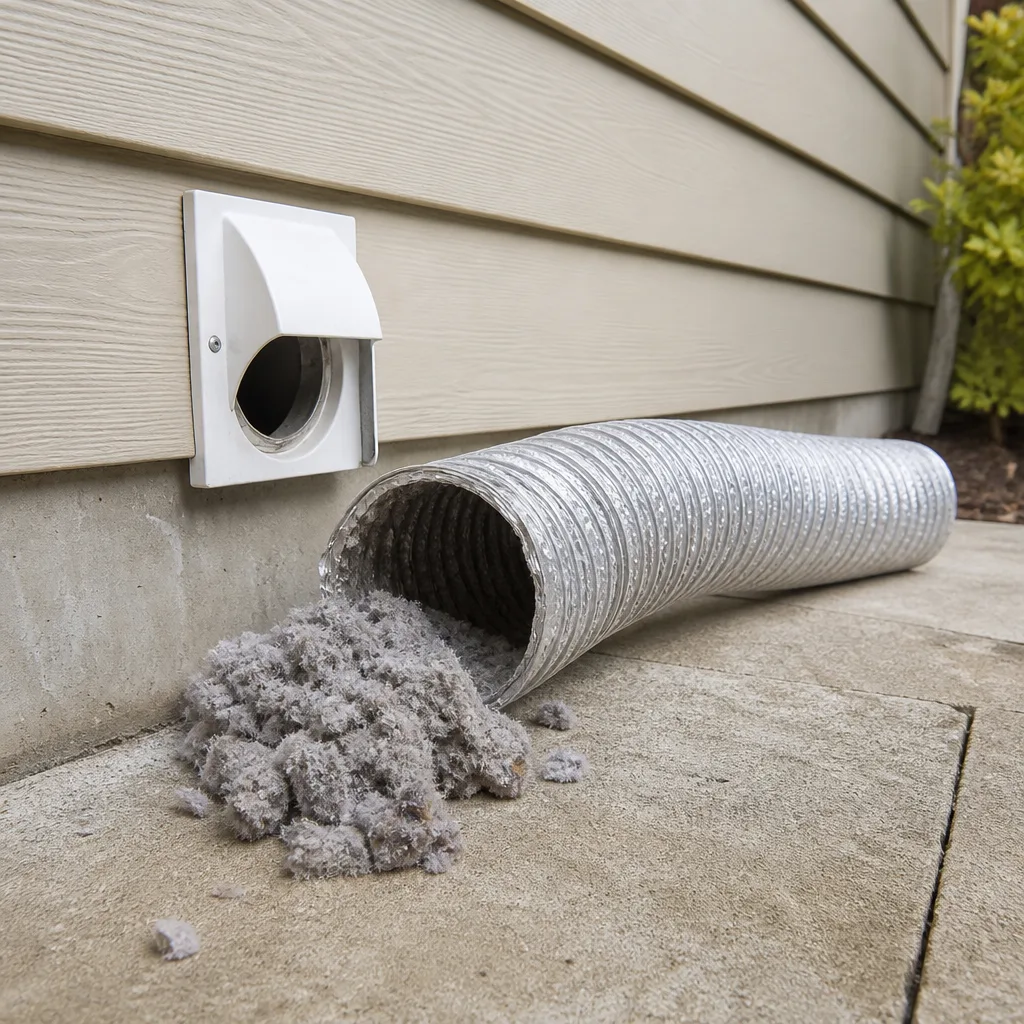 Dryer vent cleaning
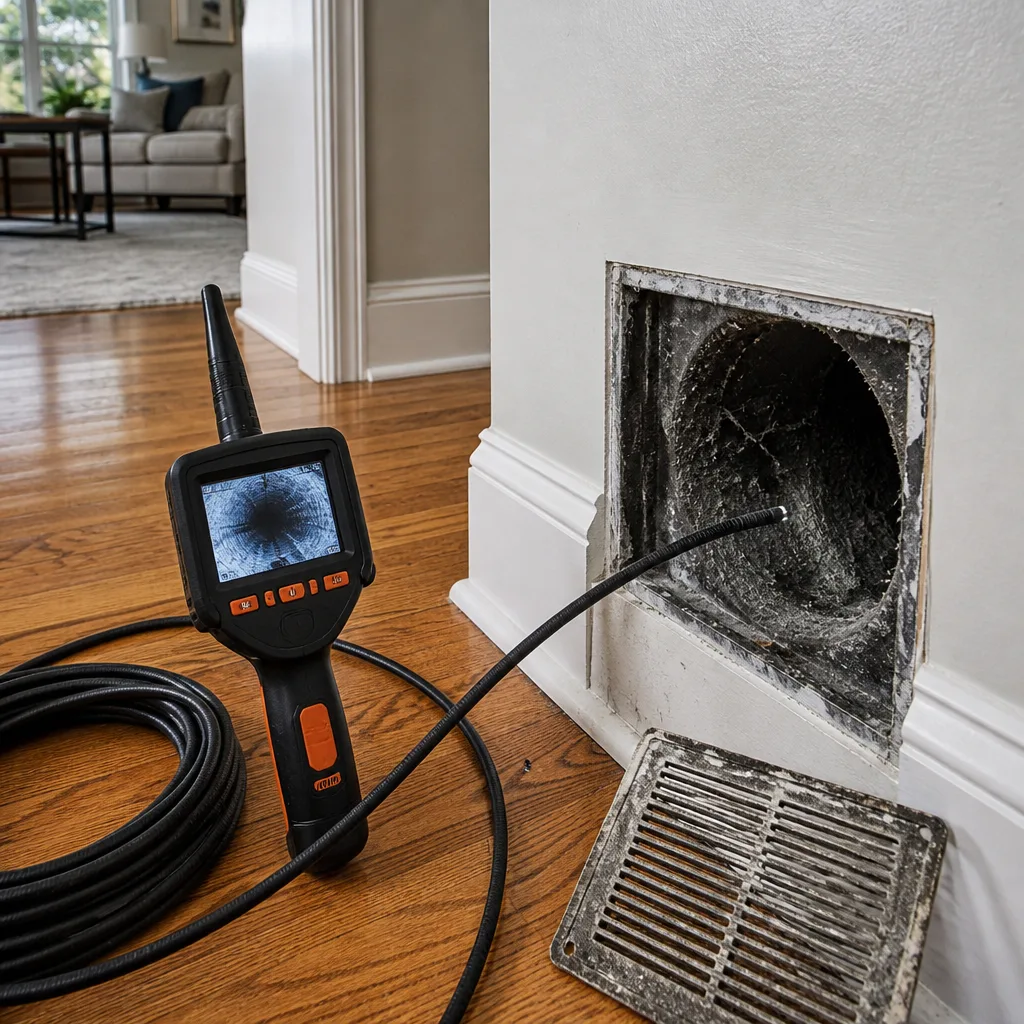 Camera inspection
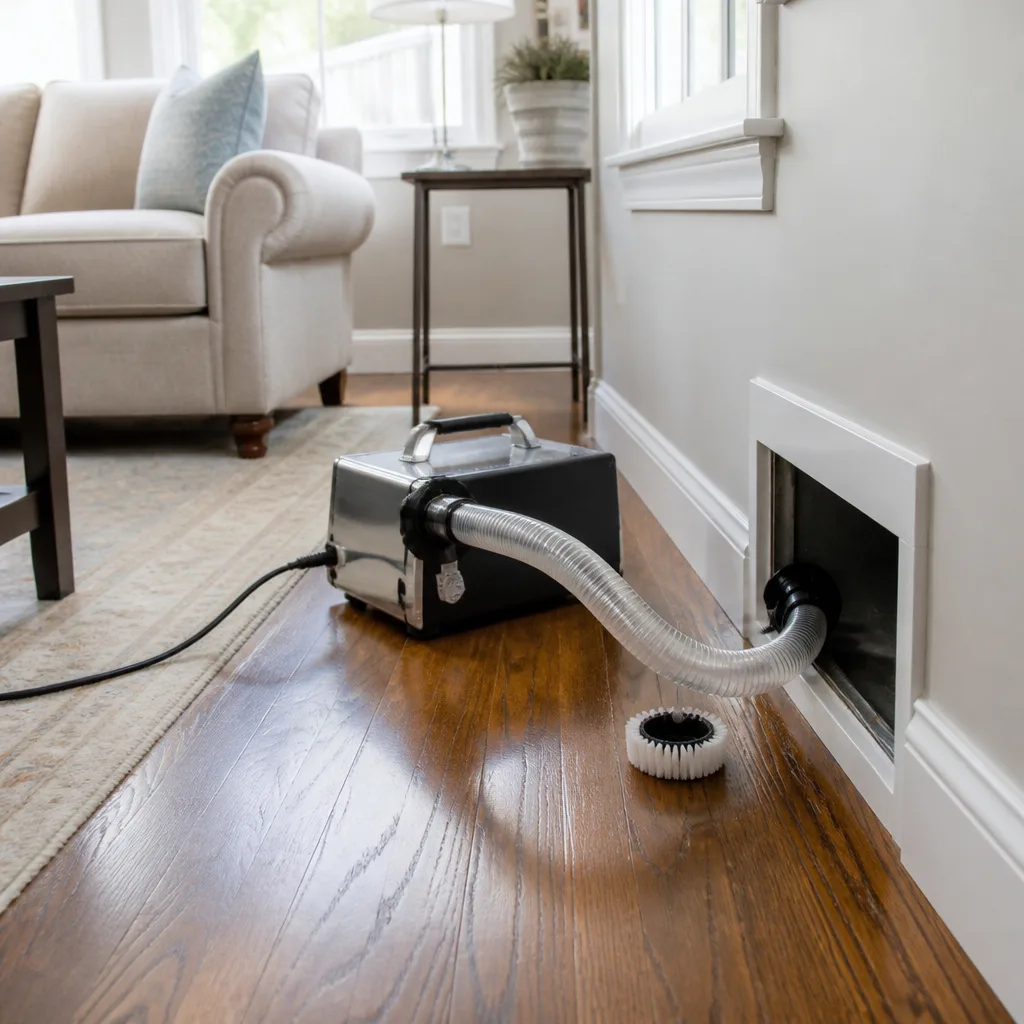 Sanitizing & deodorizing
Whole-system duct and dryer vent check with before-and-after photos - you see exactly what came out of your vents
That "$99 whole-house special" is a bait ad - the real number appears once they are in your hallway, or the "clean" is a shop-vac at the register. We photograph the inside of your ducts before and after instead.
Nikro Vent Sanitizing: The Marietta Owner’s Guide
If your Nikro vent sanitizing system is down or running weak, we stock Nikro-compatible sanitizing parts and install them in Marietta homes every week. Replacing a failed Nikro sanitizing component typically runs between $175 and $420 installed in this area, depending on which part went and how your unit is mounted. Most Marietta jobs are done in a single visit once we confirm the right part for your model.
The way most homeowners discover the problem is pretty consistent. The system powers on but the sanitizing output drops off, or you hear a faint buzz but no mist, or the timer stops advancing. Sometimes it’s the bulb, sometimes it’s the ballast or control module, and sometimes the whole cartridge assembly has simply lived past what Georgia humidity will allow. We’ll identify exactly which part failed before we ever ask you to spend a dollar.
One thing to know up front: Linden Air Duct Marietta is an independent company, not a Nikro affiliate. That means we don’t have an incentive to sell you Nikro branding when an equivalent OEM-quality part does the same job for less money. We’ll give you both options and our honest take.
Which Nikro Models This Applies To
Nikro builds sanitizing systems into several of their duct cleaning and IAQ equipment lines, and the part you need depends on which generation you own. The older N-VS series uses a cartridge-style UV bulb and a separate magnetic ballast, while the newer VP and Air-Sweep integrated units moved to electronic ballasts with a combined lamp-and-socket assembly. It’s a common compatibility gotcha: a replacement bulb for the older modular unit will not seat correctly in the newer integrated housing, even though both are sold as “Nikro sanitizing lamps.” The pin spacing is different.
To identify your part, look for the model plate on the unit’s housing, usually near the power cord entry. You’ll see a series number like VS-1000, VP-2000, or something in the Air-Sweep line. Write that down before you call. If the label is worn off, measure the bulb’s overall length and pin spacing, or take a photo of the socket. We can match most Nikro sanitizing components from those two pieces of information alone.
On the OEM versus aftermarket question: for Nikro sanitizing systems, we generally recommend OEM or OEM-equivalent lamps from a manufacturer like Philips or Osram that match the original Kelvin rating and UV-C output range. Cheap no-name bulbs from online marketplaces are exactly what we end up replacing again a year later. The honest difference is usually $40 to $80 on the part, and the OEM-equivalent lasts two to three times longer in Marietta’s humid attics and crawlspaces, where condensation works into cheap lamp sockets and corrodes the contacts.
Styles & brands we work with
Signs Your Nikro Vent Sanitizing Is Failing
- The system runs but no visible UV glow or sanitizing mist appears. This almost always means the lamp has reached end of life or the ballast has stopped driving it. UV-C bulbs degrade gradually, so output can fall below effective levels before the bulb actually goes dark.
- The timer advances but the sanitizing cycle finishes suspiciously fast. A weak or dying control module can shorten cycle times, which means the system is giving you the motion of sanitizing without the actual dose time.
- A faint electrical hum or buzzing from the unit even when idle. That’s typically the ballast struggling to fire the lamp. Left alone, it will cook the ballast completely and sometimes take the socket with it.
- Corrosion or whitish residue around the bulb socket or wiring. Georgia moisture is hard on sanitizing hardware. Once condensation gets into the contacts, resistance builds and the system works intermittently or not at all.
- The cartridge slides out but won’t seat back firmly in place. Worn mounting clips or heat-warped housing tracks are usually the cause. A loose cartridge lets unfiltered air bypass the sanitizing stage entirely.
See the difference
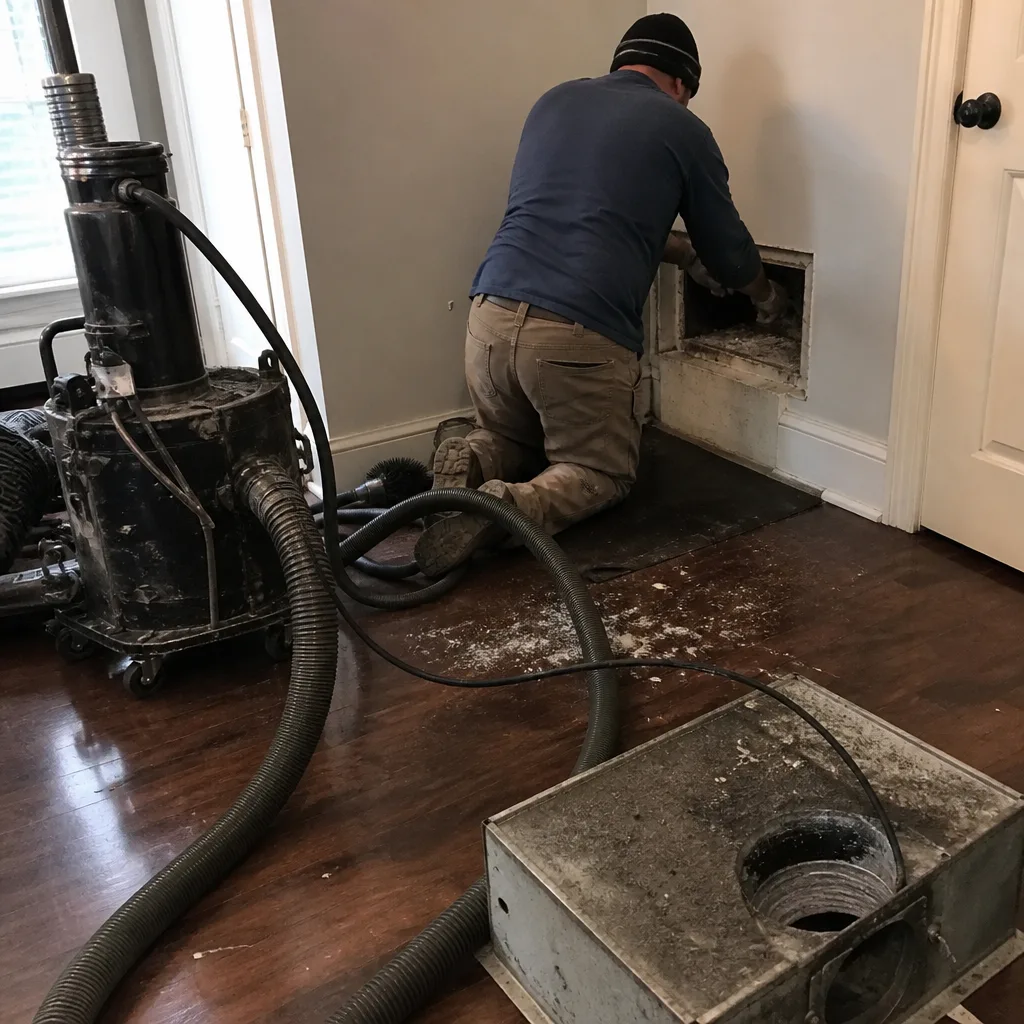 Before
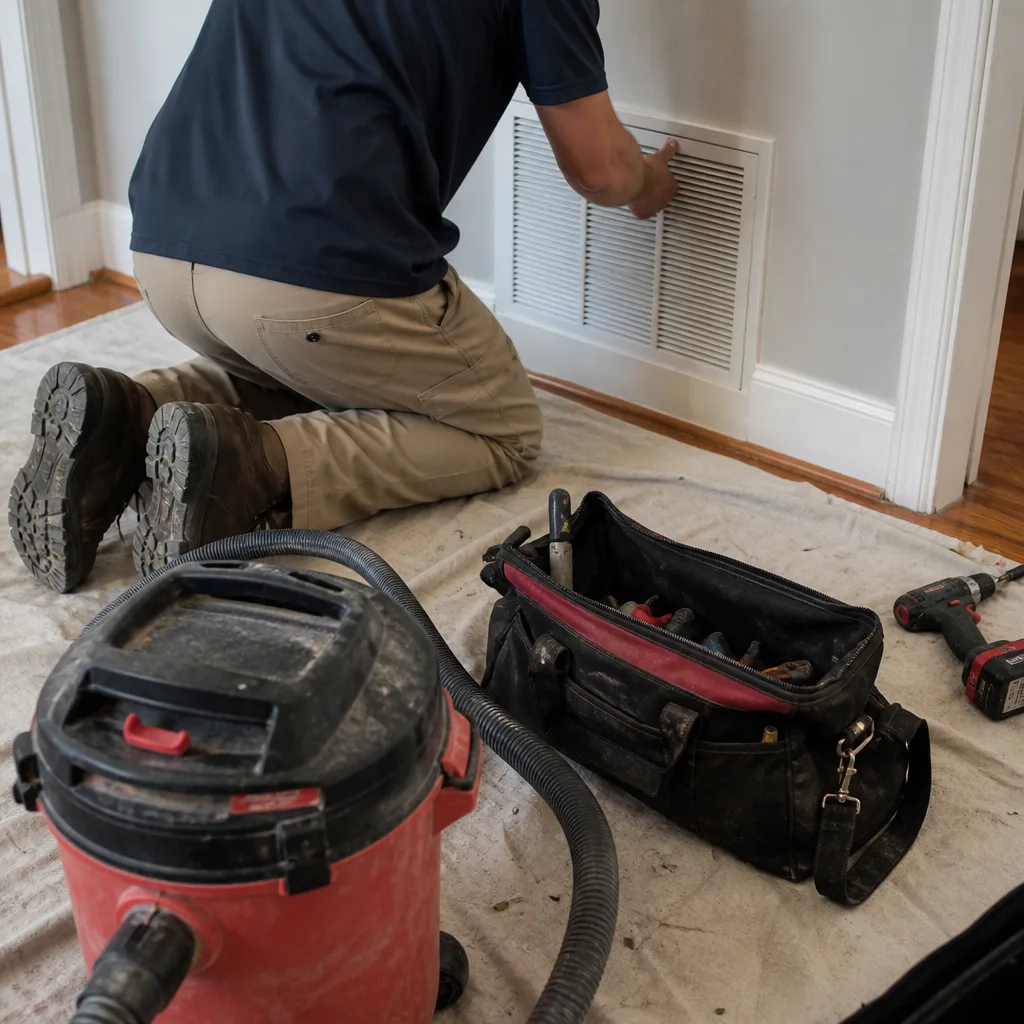 After
After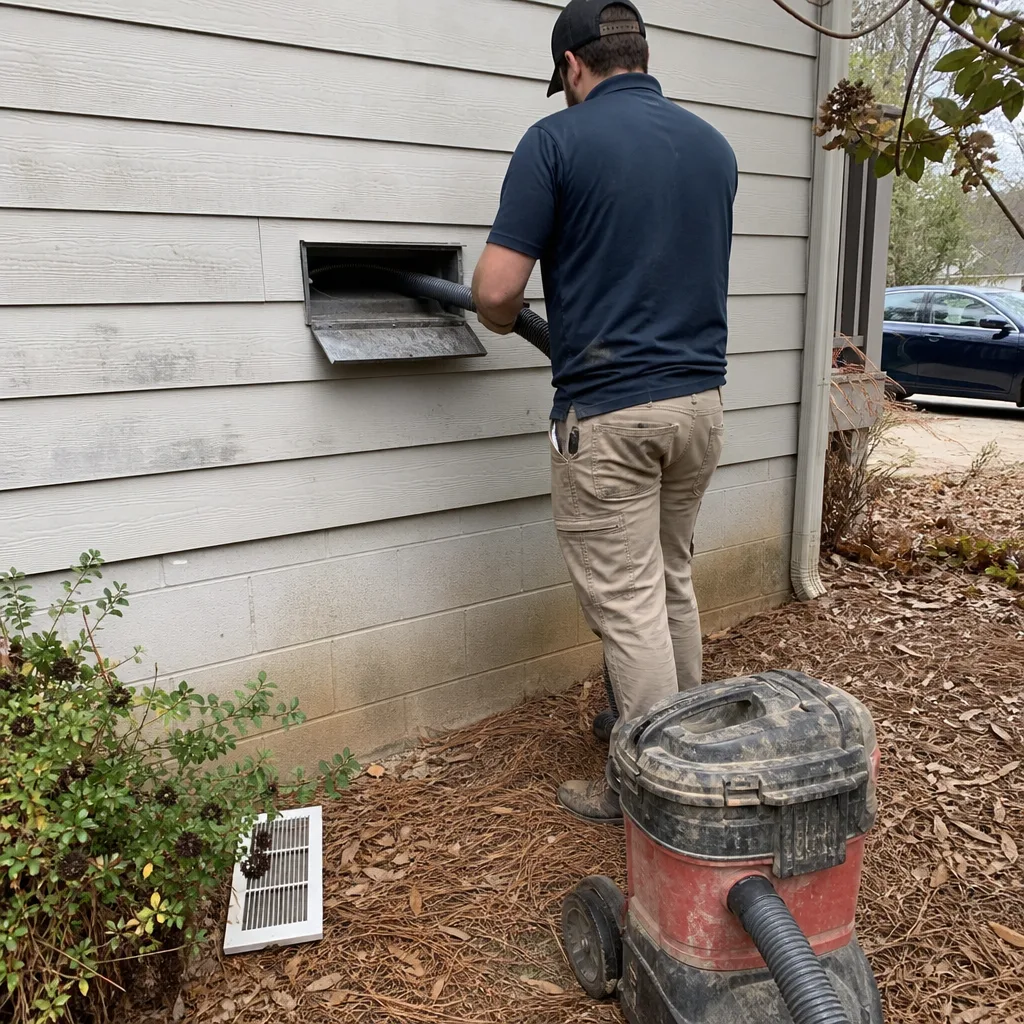 Before
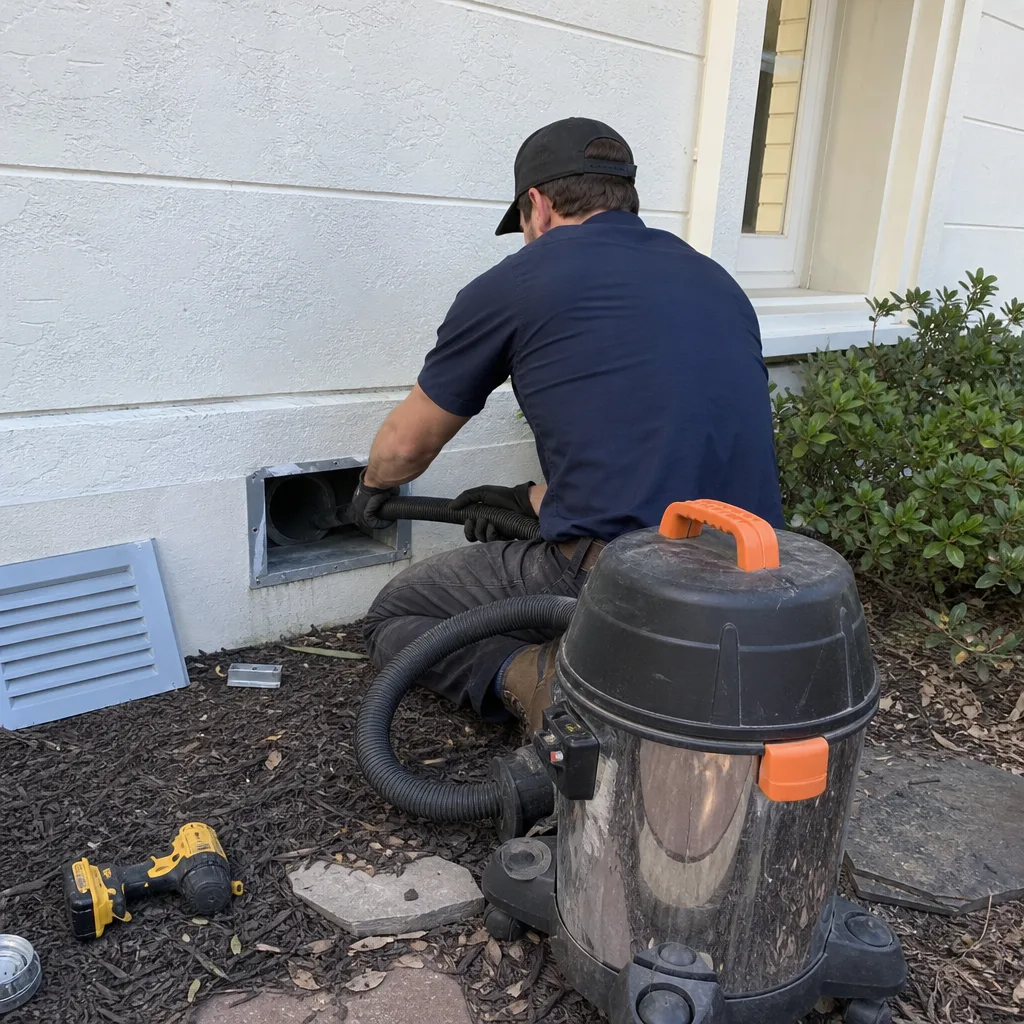 After
After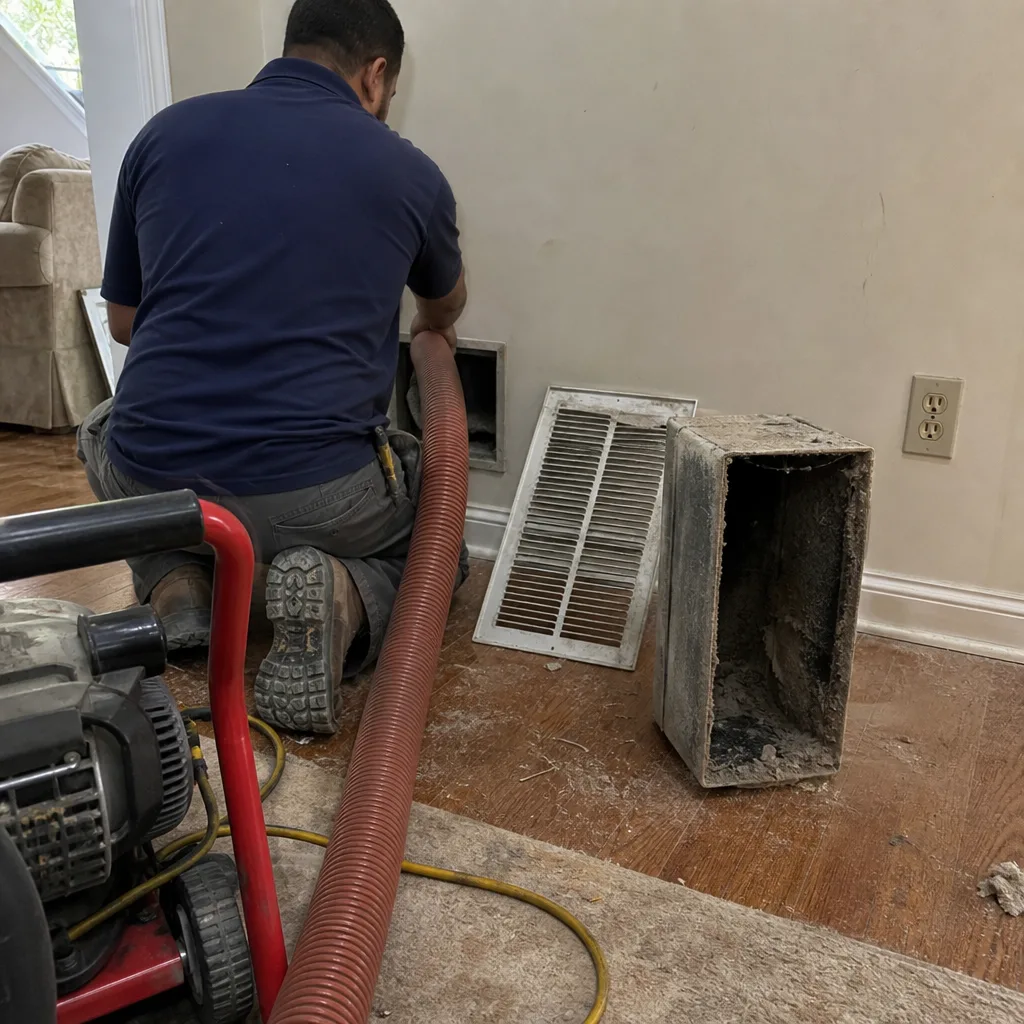 Before
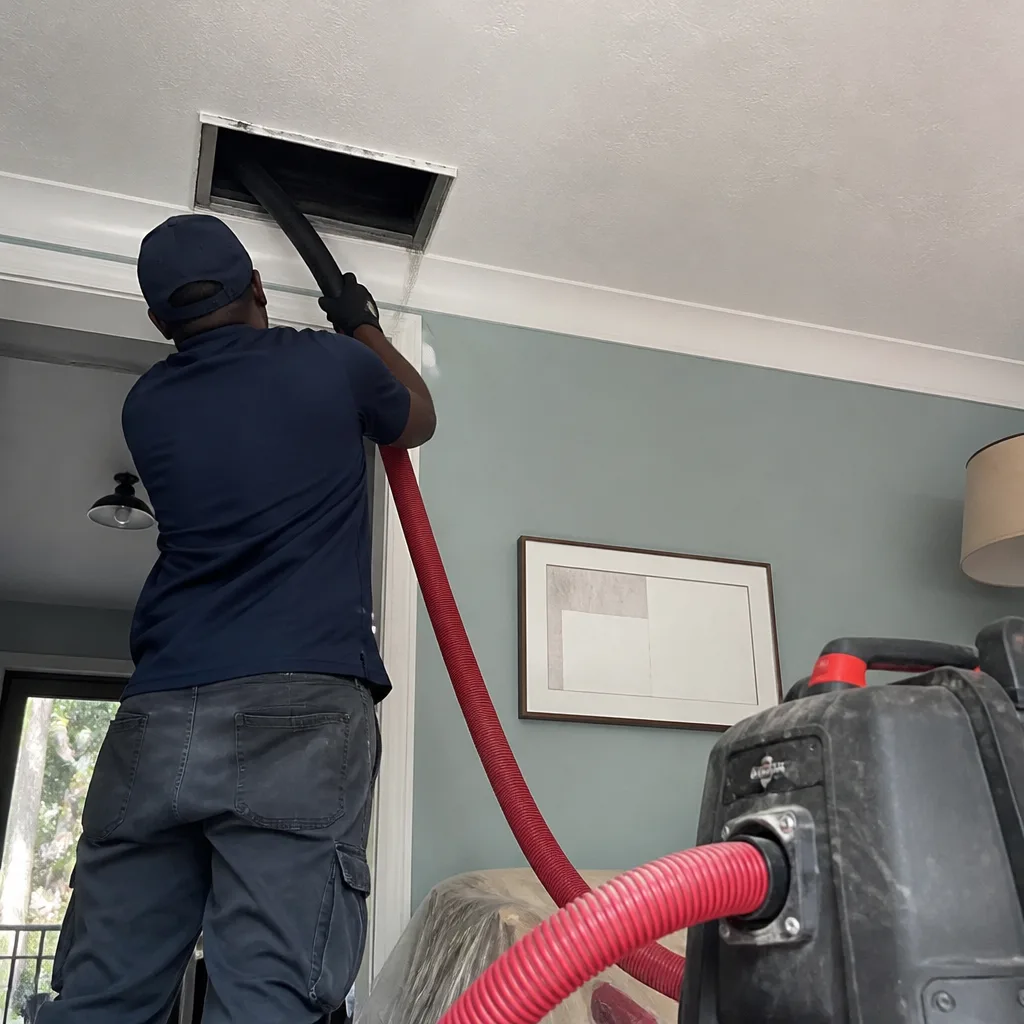 After
AfterReplacement Cost & What’s Included
Here’s what we tell Marietta homeowners before we start any Nikro sanitizing repair, and it’s the same straight answer every time:
- UV-C lamp replacement, installed: $175 to $240, depending on whether your unit takes the older modular bulb or the newer integrated lamp assembly.
- Ballast replacement, installed: $210 to $310. Electronic ballasts on newer units cost more for the part, but the labor is roughly the same.
- Control module or timer replacement, installed: $260 to $420. This is the most misdiagnosed repair we see. A failed module often gets blamed on the bulb, and a new bulb doesn’t fix it.
Every quote includes the part, labor, removal of the failed component, and testing to confirm the sanitizing cycle runs to spec before we leave. We put the price in writing before any work starts, and if we open the unit and find the repair is simpler than expected, the written price drops. It never climbs. That’s a standing rule at Linden, not a promotion. Every Nikro repair we complete carries a written 365-day guarantee, and if a covered part fails during that year, we come back free.
DIY or Call Us?
What you can safely do: note the model number, check the obvious things like power at the outlet, and inspect the bulb for visible darkening or flicker. That’s all worth five minutes. What I’d stop at is anything involving the ballast or internal wiring. Nikro sanitizing systems carry high starting voltage to fire UV-C lamps, and a old ballast holds a charge even when the unit is unplugged. This is one of those repairs where the error costs more than the service call, in dollars or otherwise.
If you’ve got a multi-meter and you’re comfortable with electrical work, you can test for continuity at the lamp’s pins to confirm a dead bulb. But if the bulb tests good and the system still won’t fire, that’s a ballast or control issue and I’d call a pro at that point. Our number is (912) 405-8840. Tell us the model number, and we’ll have the right Nikro-compatible part on the truck when we arrive.
FAQs
Most Nikro UV-C lamps are rated for 9,000 to 12,000 operating hours, but in real Marietta conditions with attic heat and humidity swings, we see useful output fall off after roughly 5 to 7 years of intermittent use. If your unit is in an unconditioned space, replace the lamp sooner rather than later. Call (912) 405-8840 and we’ll check your unit’s runtime history if it logs it.
Sometimes. A dead lamp is a replacement job. A failing ballast is a replacement job. A control module, however, can occasionally be repaired if it’s a simple relay or capacitor issue, but the cost difference is usually small enough that a new module with a one-year guarantee makes more sense than gambling on a patch. Tell me what’s in the system before you tell me what it costs to fix it.
The swap itself takes 30 to 60 minutes for a lamp or ballast. A control module replacement runs closer to 90 minutes because the wiring harness has to be matched and the cycle timing tested. We do the work in the truck bay or at your unit, not in your living room.
We stock common Nikro-compatible lamps and electronic ballasts on our service trucks covering Marietta, Kennesaw, and the East Cobb corridor. Control modules are usually a one-day order. We also stock parts for Lennox, Trane, and Carrier IAQ systems if you’re running a mixed setup. Give us the model number and we’ll tell you whether we have it on hand before we schedule the visit.
Written by Marcus Veale, Owner, Linden Air Duct Marietta at Linden Air Duct Marietta, serving Marietta and nearby areas.